
One of the most famous Greek myths is about how Athens got its name. The miniscule population of this prosperous city in Greece was given the choice of being dedicated to either Athena, the goddess of warfare and wisdom, or her uncle Poseidon, the god of the sea. Each deity had gifts to beguile the innocuous citizens with, Poseidon assuring the city with no cases of drought while Athena planted a seed that grew into the olive tree that people around the world have come to know and love. It is obvious who became the well deserved patron, or rather patroness of this city and it can be safely said that if those clever Athenians did not exist a lot of our industries would not be so efficient at money-making. Indeed olives are an integral part of millions of lifestyles, whether it be for beauty or cooking.
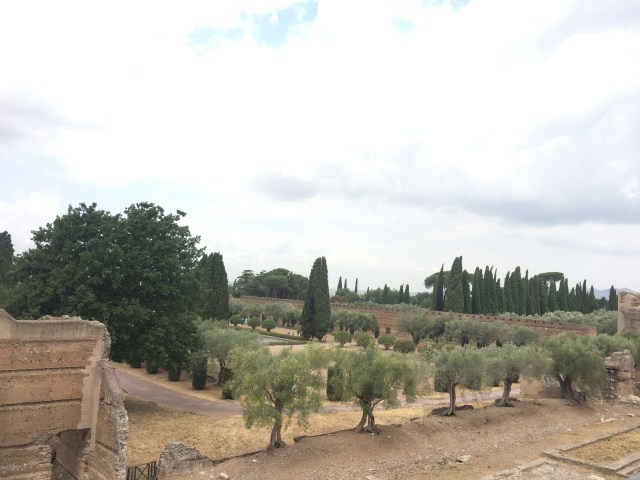
Olives are grown in scores of places around the world with global farming industries in places like Italy and Greece. Tuscany, one of the largest and most renowned region in Italy is known for its fertile soil and the quality of oil in areas like Tivoli, a town overlooking the Roman Campagna in central Italy. In Roman times, the extra virgin olive oil made from pressing whole olives was called “Oleum Tibertinum” (Tibur being modern-day Tivoli) and Pliny and Varro lauded this beautiful landscape so highly that it was here Emperor Hadrian decided to build his architecturally pleasing retreat from Rome in 200 AD. This ancient tradition of cultivating olives was based on the mild climate and the slopes covered in volcanic soil, producing the Terre Tiburtine oil of the most globally recognised produce of all time.
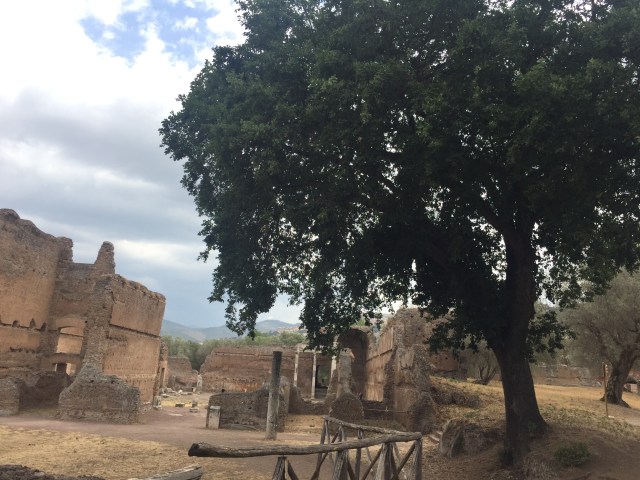
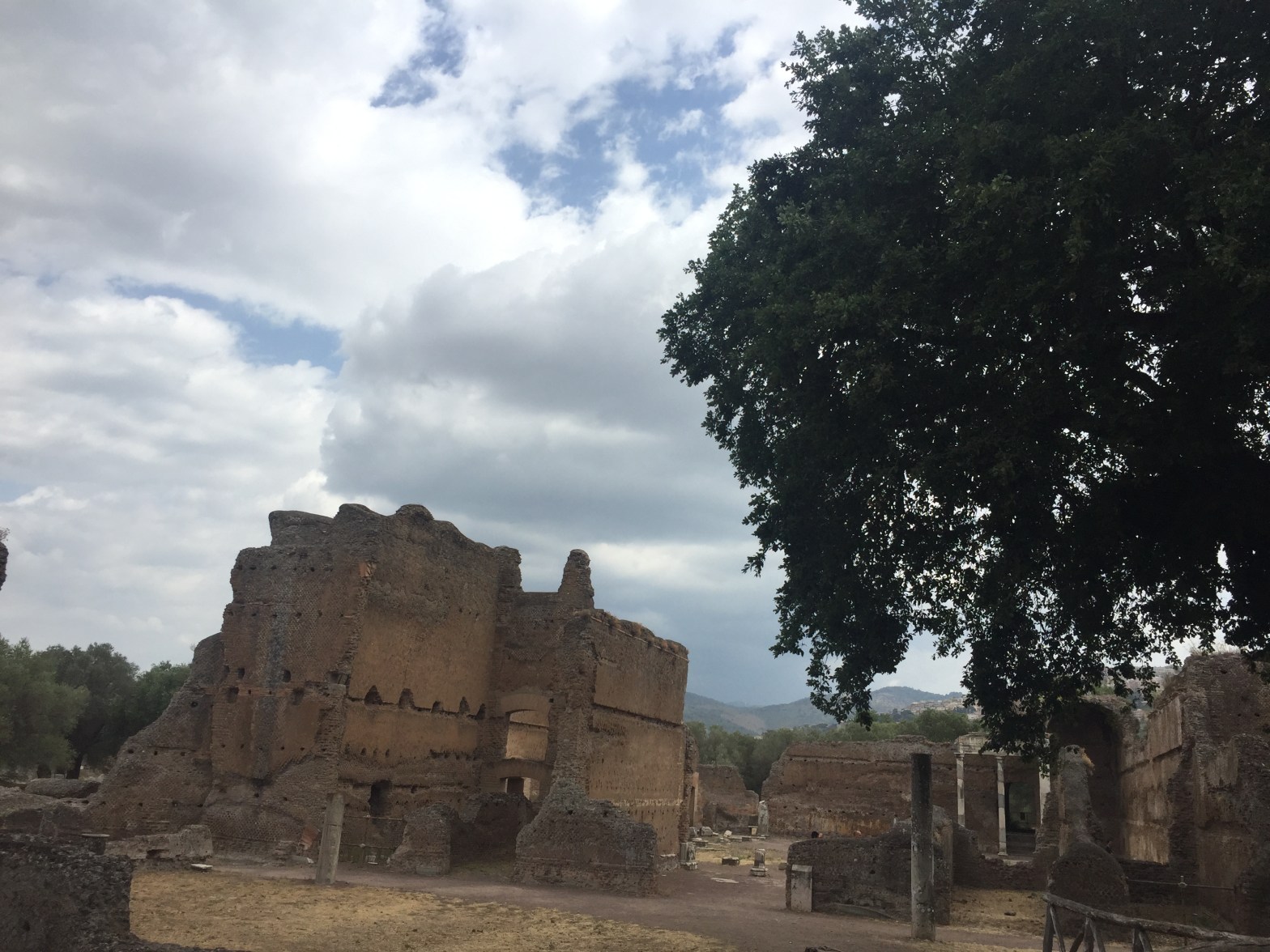
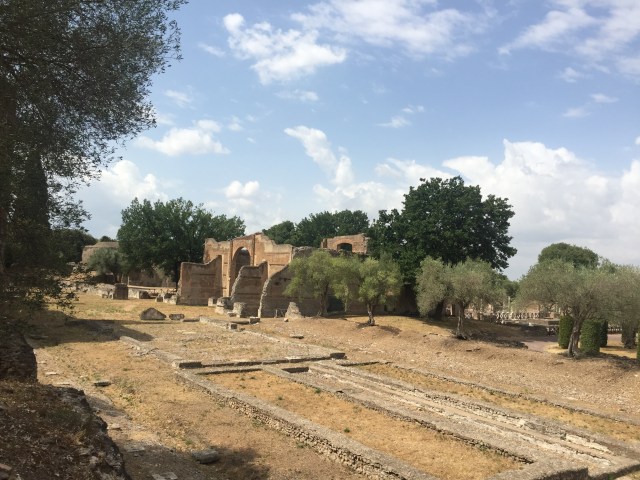
Hadrian’s villa is a large complex structure, comprising the Serapeum (a temple dedicated to the god Serapis), the Maritime theatre, baths, pools, bedrooms, dining rooms, guest rooms and the servants’ quarters. This was cleverly divided into the open plans for summer and the closed rooms for winter. In fact, Hadrian went to great lengths to preserve the idyllic nature of the villa, by creating a network of subterraneous tunnels for the servants to continue to work.
Emperor Hadrian was otherwise known as the last minute emperor due to the fact that he was proclaimed heir to the empire at the very deathbed of his adoptive father and rightly so for he was the third of the mere five good emperors of the Roman empire. He was described as the most versatile of all Roman emperors, patronising the arts by demonstrating his knowledge of all intellectual and artistic fields. In fact, Hadrian’s Villa was known as the finest Roman specimen of an Alexandrian garden. The various Greek architecture is said to have inspired the Italian Renaissance artists as well, and it was here that one of the biggest olive oil-producing industries had started. As probably already surmised, Hadrian was very popular amongst his subjects and especially the slaves since he was once a slave too and so he took it upon himself to ensure that no other slave would have to face what he did.
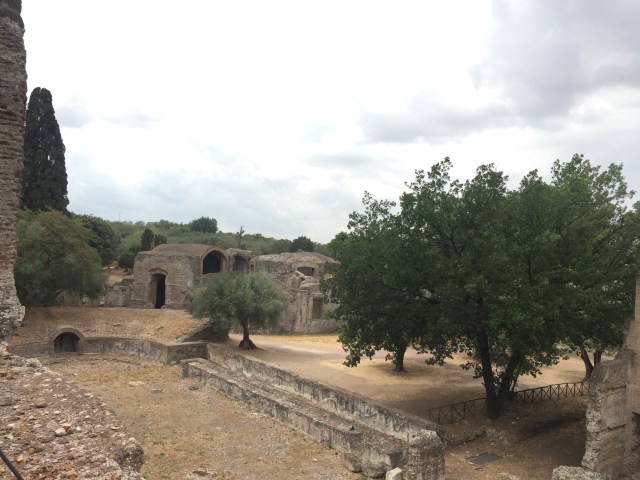
At his humongous villa, every slave had a home and wage amidst the breathtaking rural scenery of Tivoli in return for tending to the emperor and villa’s needs and working in the then newfound olive oil industry.
 simplyroam