
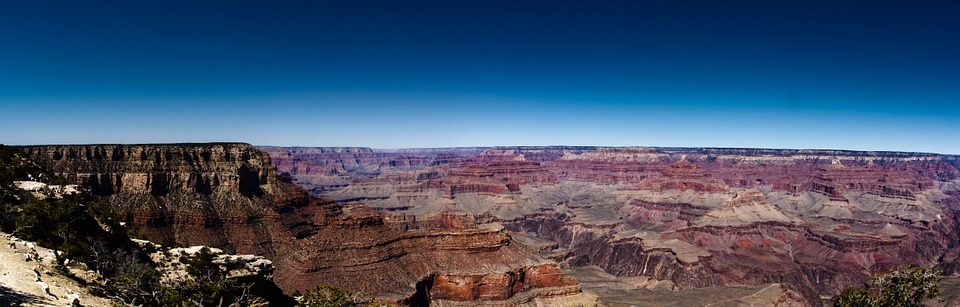
If you are looking for the cleanest air in the US, you can take a trip to Grand Canyon Arizona but promise yourself not to get scared if you spot Pink Rattle Snakes. This is not all. Tourist footfalls to this magnificent creation of nature are almost a century old. In the year 1893, this wonder of nature was protected as a reserve and later was elevated to the status of the national monument. It had to wait until February 26th in the year 1919 when it was granted the prestigious status of a National Park.
We have crossed into another century now from the time this amazing landscape has received serious national attention for conservation. But little did we know about some of the unique features and the fascinating facts about the Grand Canyon that make it so compelling. Here we go :
How old it is? Nobody is sure!
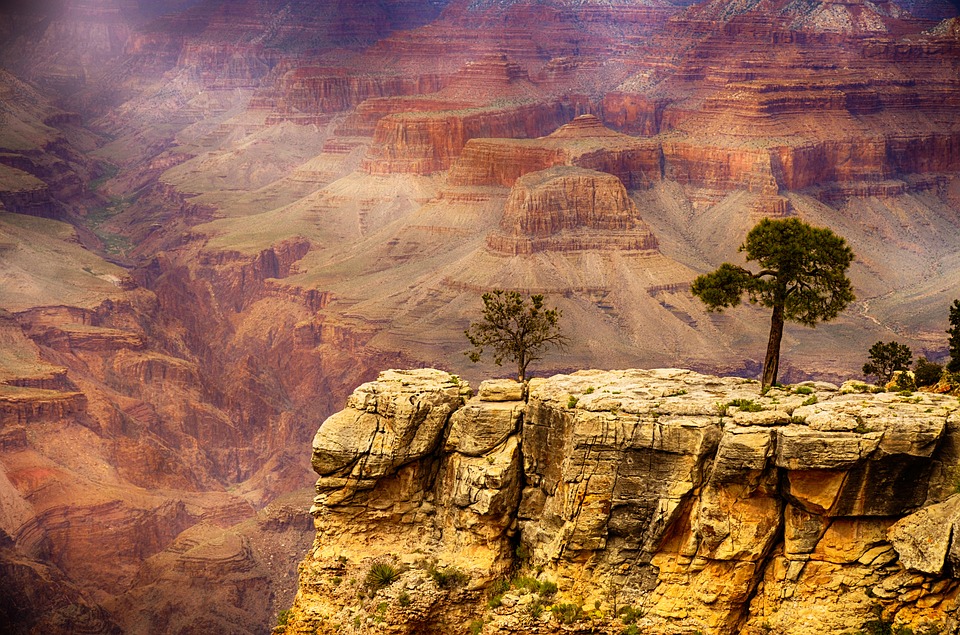
This natural landscape is an accident of nature that has given it its current shape. It has been literally carved out of the earth by the action of air and water. The river Colorado takes most of the credit to make this amazing place look so mesmerizing. Although a prime tourist attraction today drawing the global crowd, we aren’t really aware of the age of this incredible formation. Its dateless origin is certainly one of the most fascinating facts about the Grand Canyon. For a long period, a notion ruled that the Canyon is six million years old, which puts it much before the advent of humanity in the world. However, this belief was challenged by a body of geological scientists.
A study conducted in 2012 puts its age to more than seventy million years and that is a whopping number indeed! A way too big in comparison with the previous estimates. Not only when it came into existence the study throws light on how it came. There is a strong possibility of a number of small Canyons pressed together into one by the action of a river which is definitely one of the interesting Grand Canyon marvels.
The menacing rock squirrels
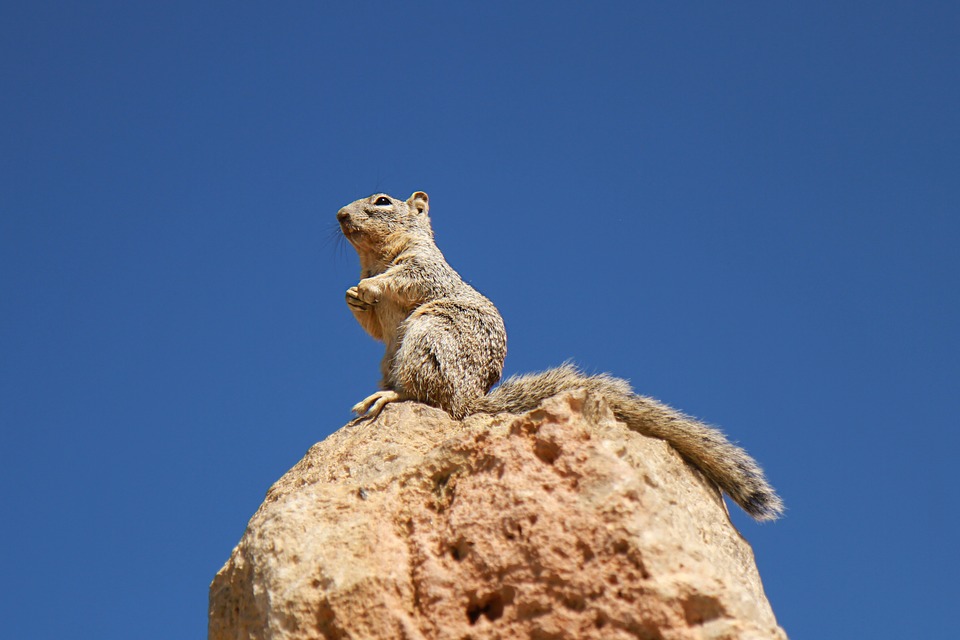
A fascinating fact about the Grand Canyon is that the funny squirrels aren’t that funny among the chiseled rockscapes. The rock squirrels here are as cute as any of their species elsewhere. Among other species of animals inhabiting the Grand Canyon, the rock squirrels abound in large numbers. But when you get too close to them to feed, the funny dentition can be a weapon to harm the feeders. Annually around a dozen tourists to the Grand Canyon get bitten by the rock squirrels. You will find signages put up on the roads warning you about these little rodents. They say leave nature as it is. So take heed of the warnings. They are not the regular squirrels from your backyard that scurry and play harmlessly.
A place for journey afterlife
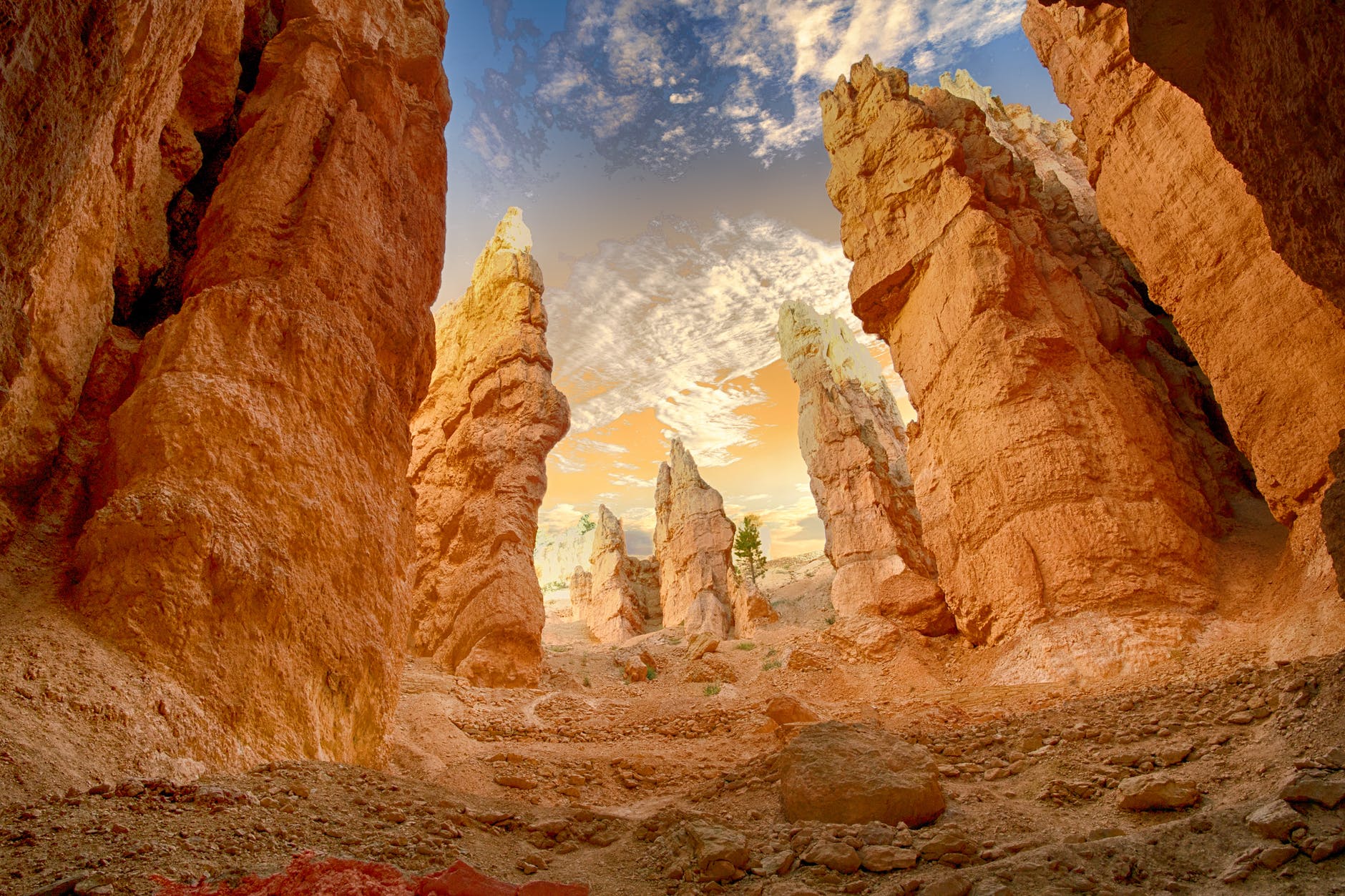
The local Hopi tribes have a special spiritual connection with the Grand Canyon. This belief is certainly to score a significant status for the connotation held down the generations of these indigenous people. This is a place beyond mortal life, it is a landmark for a journey into eternity.
The traditional notion goes like this that when you have completed your lease of life on earth your spiritual journey begins. You travel across the entire Grand Canyon and head west until you are at the confluence of the rivers Colorado and Little Colorado. At this confluence, the gateway to the beyond stands. This important place occupies a critical position in the belief system of these tribes in matters of life and death and someplace that is above all worldly matters.
The park that sees 6 million tourists every year!
Only second to the Smokey mountain park in North Tennessee and North Carolina, the Grand Canyon marvels and its fascinating landscape makes it one of the most popular parks in the US. The annual tourist visit touches six million people and that is an astronomical number!
But in the year 1919 when the park ran its inauguration for a tourist visit, the number was nowhere near the present crowd. The annual visit was only around nineteen thousand people.
The reason is indeed traced to its inaccessibility for inadequate transportation and other infrastructures. With the upgradation of roads over the years, tourists started pouring in large numbers.
Grand Canyon fishes
A surprising feature of the river Colorado flowing through the Grand Canyon is its fish population. If you thought that Grand Canyon fishes swam in large shoals you are mistaken. Only eight species of fishes are found in the rivers out of which only six are traced in the waters of the Colorado River, the reason being the river waters have extreme salinity. Other possible causes for a low Grand Canyon fish population is the rivers often experience flooding and temperature fluctuations from one section to the other. These natural factors make only the toughest of the Grand Canyon fish species to survive.
Absence of Grand Canyon dinosaur fossils
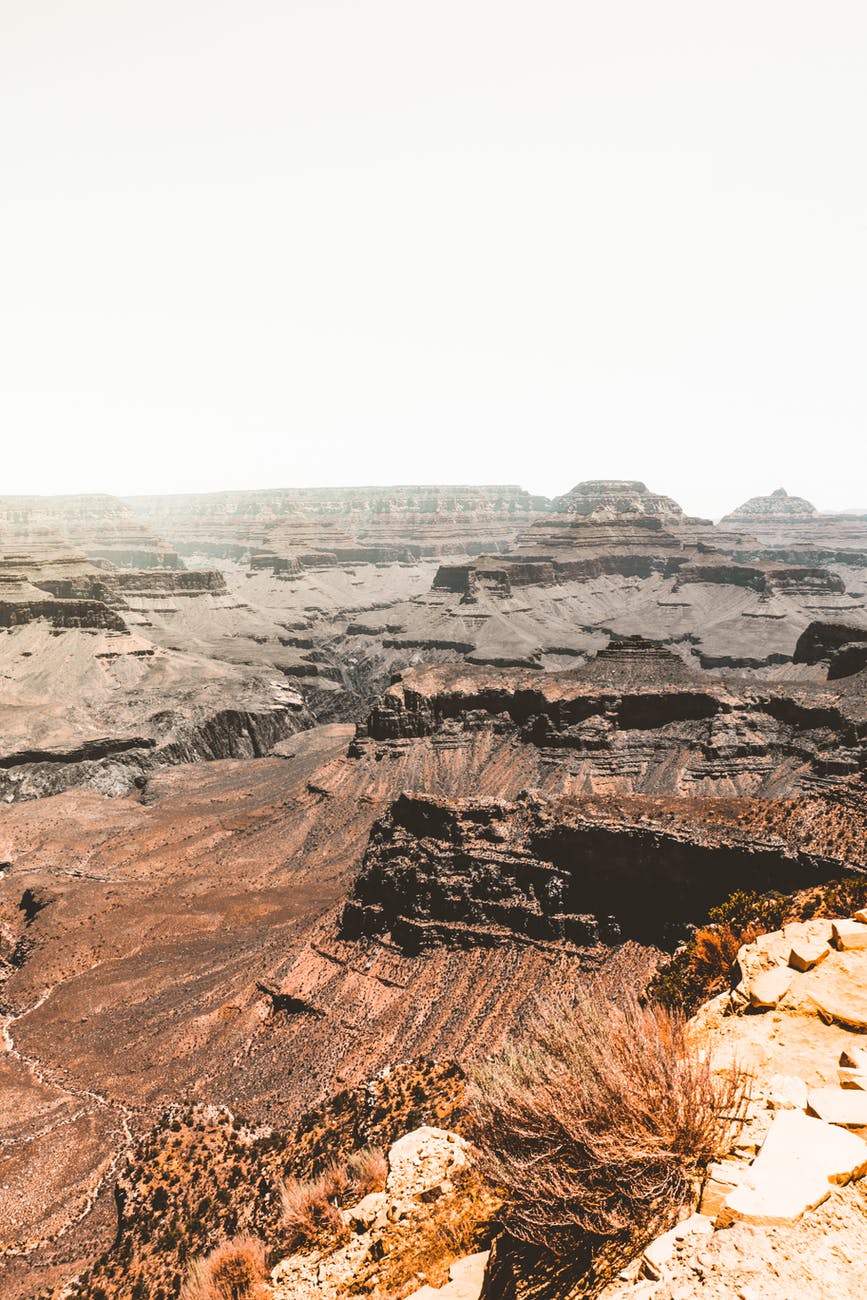
It is rather incredible that this ancient landmark doesn’t contain dinosaur fossils. The paleontologists have worked out possible reasons for a complete absence of dinosaur fossils where there should have been the skeletons of these giants embedded in the ancient rock formations and rift valleys. Dinosaur fossils are almost found all over the planet. Even places not very far from the Grand Canyon have them preserved in the earth. Grand Canyons have fossilized ice age plant remains and hence the absence of dinosaur fossils over here sounds a little strange. Even the rocks and minerals present in the Grand Canyon have the typical character that helps the preservation of the bones. The plausible explanation to this is that the Grand Canyon rock formations and the rule of dinosaurs weren’t in the same period. A second possibility was the climate and conditions here weren’t right for the dinosaurs to last. So there aren’t any Grand Canyon dinosaur fossils.
The sheer size
The Grand Canyon is an enormous geological feature to reckon with. The gigantic size of the Grand Canyon beats one of the states of the US. In comparison, Rhode Island, the tiniest state by size, is only 1212 square miles dwarfed by the sheer size of the Canyon which is 1904 square miles.
The Gigantic size of the Grand Canyon is revealed by its dimensions that run 277 miles in length, 18 miles across with an average depth of one mile. The park however does not cover the entire Canyon that is an incredible gift from nature left to its own artistic whims.
One thousand caves
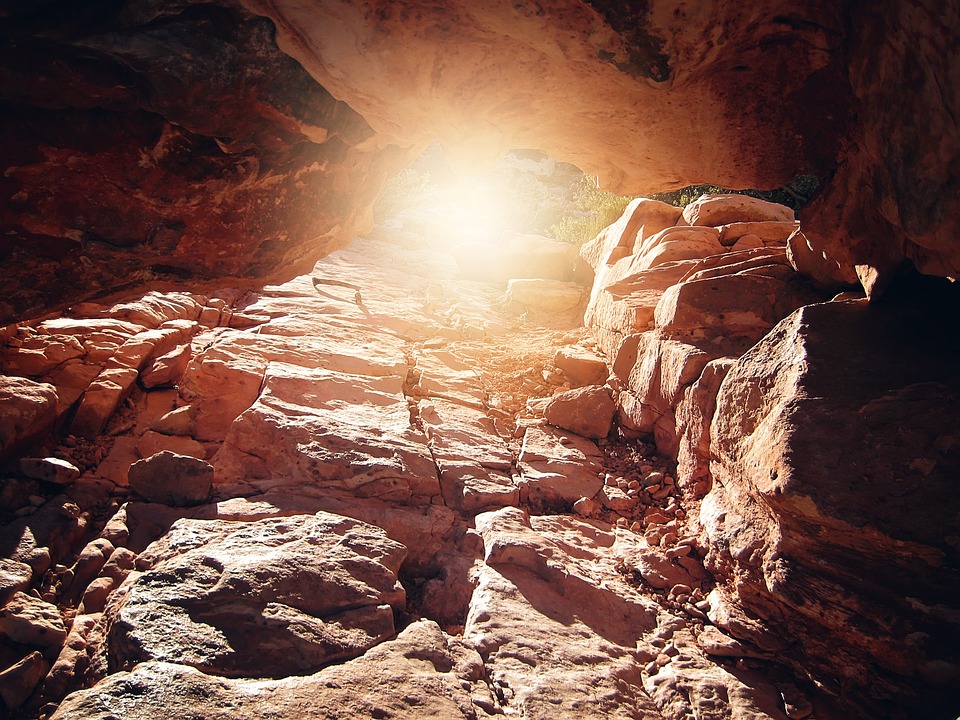
That caves are a natural feature in an amazing landmark like the Grand Canyon is normal, but surprises us is the number! About one thousand caves are found in the Grand Canyon of which only 335 have been put in books. There exist many caves that aren’t mapped yet. The one cave that is open to the public is the Domes on Horseshoe Mesa. These are the limestone caves cut into the red walls. Still partly explored some of these caves are known to contain fossils of plants and animals from the ice age. Some shelter animals. The unexplored caves once brought under investigation may reveal more information on the life they may have inside them.
Its influence on the weather
The Grand Canyon can itself influence the weather because this amazing landmark touches different altitudes at different points. With an elevation ranging between 2000 feet and 8000 feet, there is always some very hot, some cold and some places midway in altitude have a moderate temperature. Whether it is heavily pouring or bright sunshine or a cold and misty climate will depend on where you are in the canyon. The varied weather conditions within the same landmass spreading over a given area are certainly something unique and beautiful.
The splendid skywalk
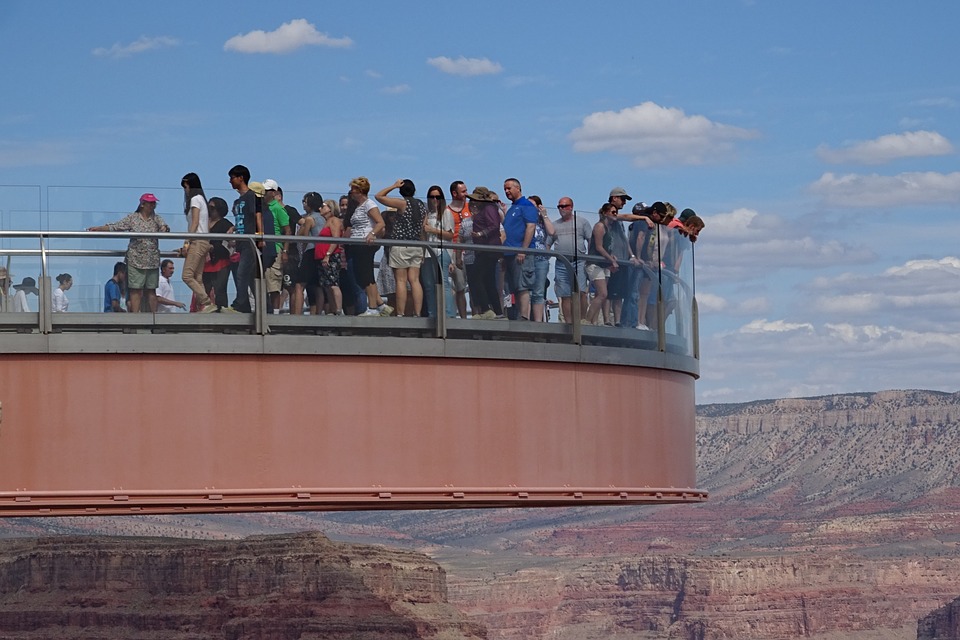
You can have a bird’s eye view of the Grand Canyon without having to go up in the sky. Horseshoe-shaped steel construction with railings and a view-through glass floor extends 70 feet into the open air beyond the outer edge of the Canyon. This is a fascinating and famous attraction for the visitors and handled by the Hualapai tribesmen.
 simplyroam