
Dalgona coffee rocked in lock-down, a hot-spiked revelation amid testing times. How about getting further insights into exotic and top quality brews through coffee tourism where every sip instills fresh vigor? Yes, coffee addicts care a darn paying $35-$100 for a cup worth a sip!
You enjoy coffee while on a trip but not the other way round , perhaps you don’t travel for coffee! It might have never struck your mind. Beaches, mountains and other exotic landscapes beckon but yes coffee tourism destinations arrest as well. Just reset your mind and your travel lens and you can be in another world demanding a revisit to your idea of holidaying .
It is no wonder people drink a few billion cups of this beverage everyday! Amazing is the worldwide demand of those tiny brown beans and awesome is the power they pack in. Cappuccino, mocha, latte whichever name you call, the flavor is captivating and hard to get over.
Well, it was a very humble start for coffee to make it to new heights of farming and processing as of now. Take it with milk or without it, sip it raw and sugar-free or add a spoonful, frothing hot or iced, the impact unfolds new surprises every time. The beans had been through an ever-expanding market cornering major shares in consumer preference. Its appeal has been immense cutting across cultural and language barriers.
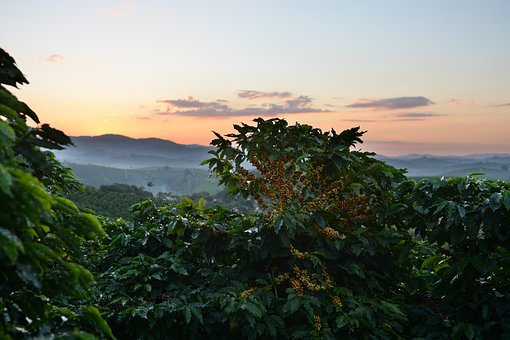
Coffee tourism – A first rate expedition
Do you know coffee is linked with the volcano? Volcanic soil is ideal for growth. Coffee being a mountain plant, the elevation of volcanic terrain helps it survive well . Heavy rain is essential yet the plant shouldn’t get waterlogged. Conical summits interact with moisture-laden passing clouds. The rock and cloud contact brings in heavy precipitation.
Mountain slopes (the ideal gradient is around 15°) drain off the water. Drainage is an important condition for coffee plants to thrive. A mountain slope assures that. Coffee also grows in other terrains but volcanic soil suits it the best. The irony here is the best farming areas keep the plants under constant threat from eruptions and flowing hot lava.
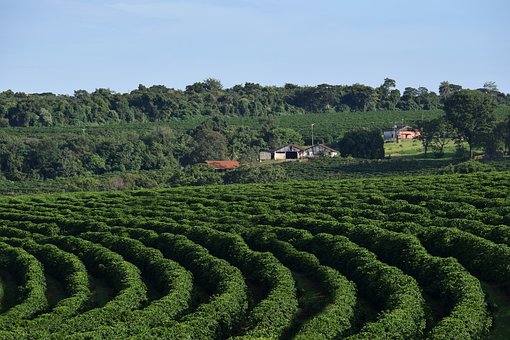
Zeroing in on the best coffee growing regions, they are all located in areas prone to volcanic eruptions. This list is however not exhaustive:
Country Volcanoes
Ethiopia Erte Ale, Nabro, Tat Ali
Japan Fuji, Asama, Ontake
Indonesia Krakatoa, Merapi, Sinabung
Costa Rica Arenal, Irazu, Poas
Brazil Nova Iguacu, Trindade
Colombia Nevado Del Ruiz, Galeras
Sweden Rallate, Gallabjar, Knosen
Turkey Ararat, Hasan Dagi, Nemrut
Tanzania Kilimanjaro, Ol Doinyo Lengai
India Deccan plateau made up of
volcanic soil
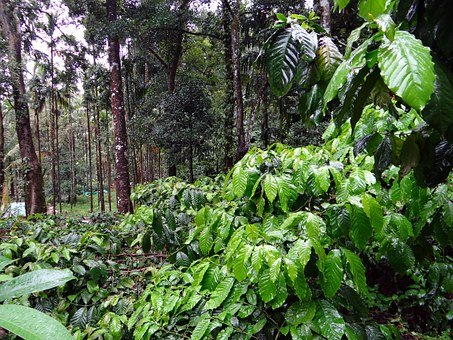
People are into coffee tourism, you might be missing it
The term is elaborated in the Collins Dictionary as a “Tourism which involves visiting countries where coffee is grown and tasting different types of coffee or just concentrating on consuming different coffees in countries renowned for its production and consumption”.
Coffee tourism is gaining popularity especially in Asia and Latin America with coffee farm hotels and home-stays churning up good business. Many coffee farms are offering tourism with a dual-pronged intent : assure a source of size-able revenue earnings and to build a brand.
Since modern-day travelers are taking interest in authentic tourism experience, coffee tourism is a great way into the lush coffee country. Coffee tourism goes beyond the buyer and seller relationship. The guest feedback and suggestions are important tools to improve quality that ultimately cements the bonding with customers improving the brand image.
Whether all these tourism ingredients add to the sustainability of coffee farms is debatable. But well-managed coffee farm tourism can create jobs and contribute to community development.
The journey from volcanic Ethiopian soil is a great history; the route had not been exactly a unilateral win-win channel of consumer acceptance. Coffee, the black beverage has collected assorted opinions from occasional consumers to connoisseurs.
Unfortunately, it earned negative marks too. Accusations come from medics that it causes a spike in blood pressure.
The anti-doping watchdogs from the world of sports level another set of allegations. Brewed beans are latent performance boosters. It can finish an athlete’s career! For a coffee addict, these slurs are not enough to kick the habit. The system won’t simply respond for the day without downing a cup of the bitter drink, the least to go with. Defamation of the beans has been far outweighed by its huge esteem and each cup of joy it brings.
Drinking coffee socially can reach you lengths in the discussion, drifting from politics to world economic policies. From weather to soccer and from nuances of art to wonders of modern hi-tech gizmos, the beverage helps you fight your arguments and deliver your judgment. Crafting the perfect cup from perfectly roasted beans is a treat before you. It can fetch you all the bliss you can think of.
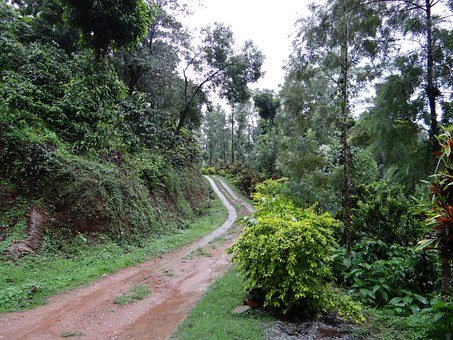
Coffee culture and the destinations
Coffee and its consumption have a substantial cultural involvement manifested in diverse expressions and ruling memes driving nations crazy. It has gone deep into traditional values across the world and coffee tourism could take you places of origin of these magic beans. Destinations known for cultivation are themselves known for exquisite scenic appeal.
Here we go with a virtual exploration of coffee countries:
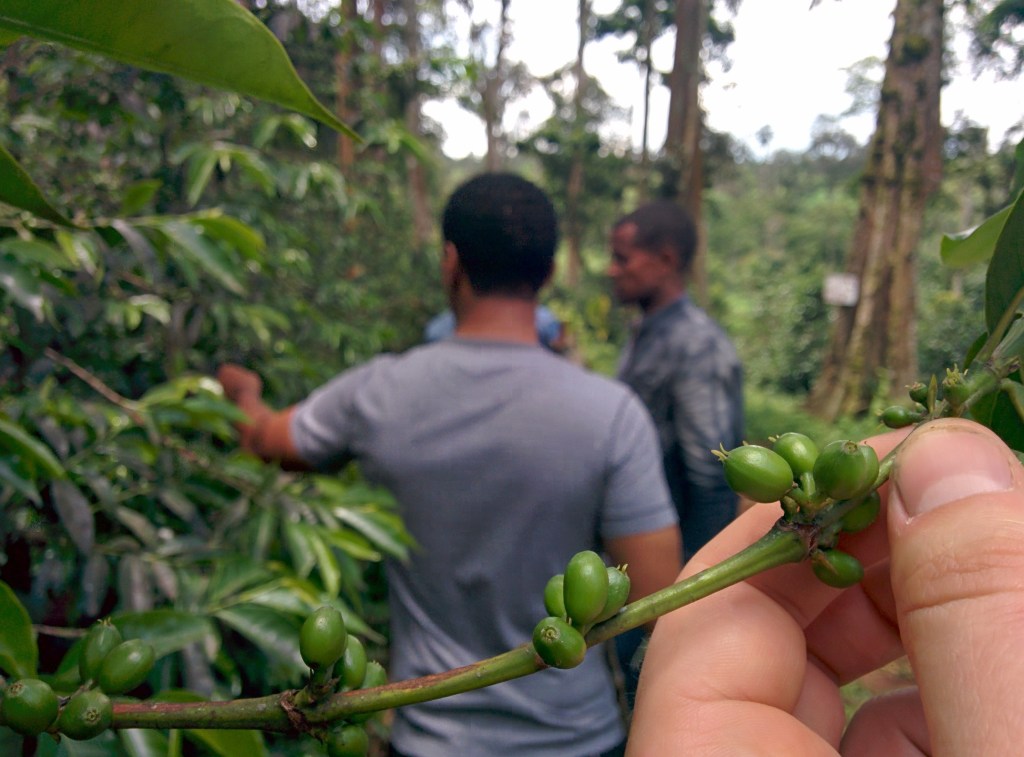
Bonga Coffee town, Ethiopia
PC: croptocupwordpressblog
The first country to farm coffee, the homeland of Arabica strain the beans have a unique flavor. In fact, if you travel in Ethiopia, the volcanic plateaus would enthrall you. The country is mostly land locked within the Great Rift Valley. Here lies a coffee town called Bonga, a quaint little place with beautiful coffee gardens. Bonga is also known for its wild honey and wonderful panorama.
An enchanting place is the hamlet of Sidano perched atop an elevation of 1900 meters above sea level that would fascinate you. The Ethiopian countryside has its own charm very distinct from the rest of the world. It is very African in its own way although much of it is hot and arid.
Encounter with wildlife is possible, Ethiopian wolfs, wild dogs and elephants are a source of tourist attraction. Hamars and Mursis are the chief ethnic tribes among others. They have a strangely appealing culture in which body art and lip piercing is an important feature. How about watching a Mursi dance over a mug of locally brewed coffee? Take a flight to Addis Ababa and then into the interior exploring the country with a licensed travel guide. You won’t regret the trip even if it appears treacherous at any point.
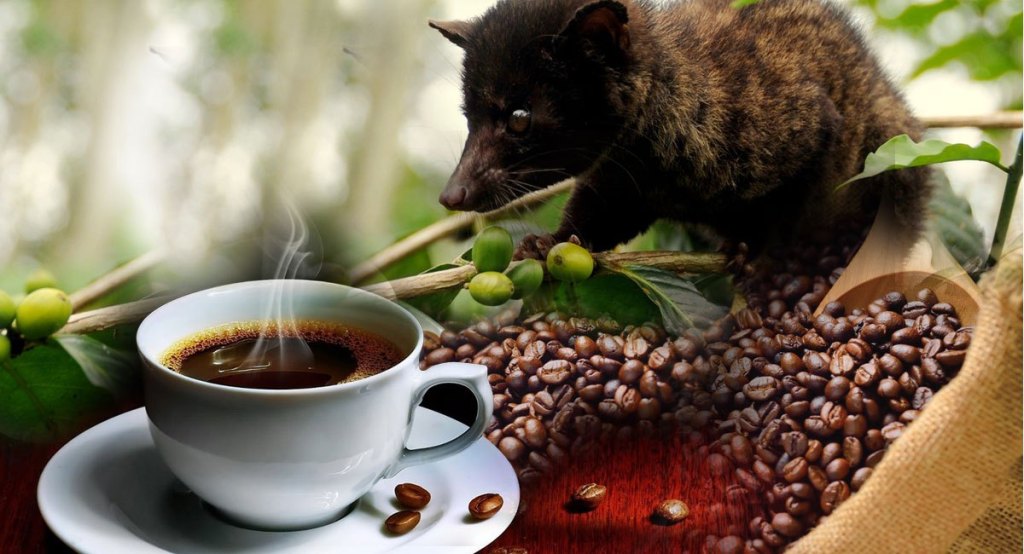
Kopi Luwak, Indonesia producing the most expensive coffee, 5th largest exporter of coffee in the world
PC : livetradingnews.com
You enjoy resplendent beaches, infinity pools, cruise flanked by rain-forests , the magnificent Borobudur Stupa and also get to taste the most expensive coffee, $35-$100 a cup. The eastern corner of Java is noted for wet-hulled coffee estates. These are vast and photographic. In fact today Java is a universal term for coffee and those farmed in the Island have a rich and strong aroma.
Heavy bodied beans come with a sweet chocolaty taste, the specialty Indonesian coffee known as ‘ Kopi Luwak ‘ is one of the most expensive breeds in the world. What is more interesting is, it is the defecated output of the Asian palm civet. This makes it more expensive than others. Kopi Luwak is also known as ‘civet coffee’.
The ingested and partially digested coffee cherries come out with civet poop. While passing through the digestive canal, the cherries are fermented by specific enzymes that add to its flavor. The defecated cherries are picked, processed and marketed worldwide. Be ready to shell out $100-$600 for a pound. Coffee producers here have been claiming for generations that this process creates the best coffee flavor in the world!
Set out for a coffee trek in Sumatra, Bali and Sulawesi. The landscape would enthrall you as would the fuming brew. The yummy combination of skewered satay and coffee would do well to get along with a live show of Serimpi, the signature Javanese dance ritual.
Other notable coffee tourism destinations in Indonesia are Takengon, Lampung, Ambarawa (Banaran Kopi Village), Bali, Toraja, Manggarai, Wamena, etc. Indonesia has been putting in its best foot forward to promote indigenous coffee culture in different tourism fairs all over the world.
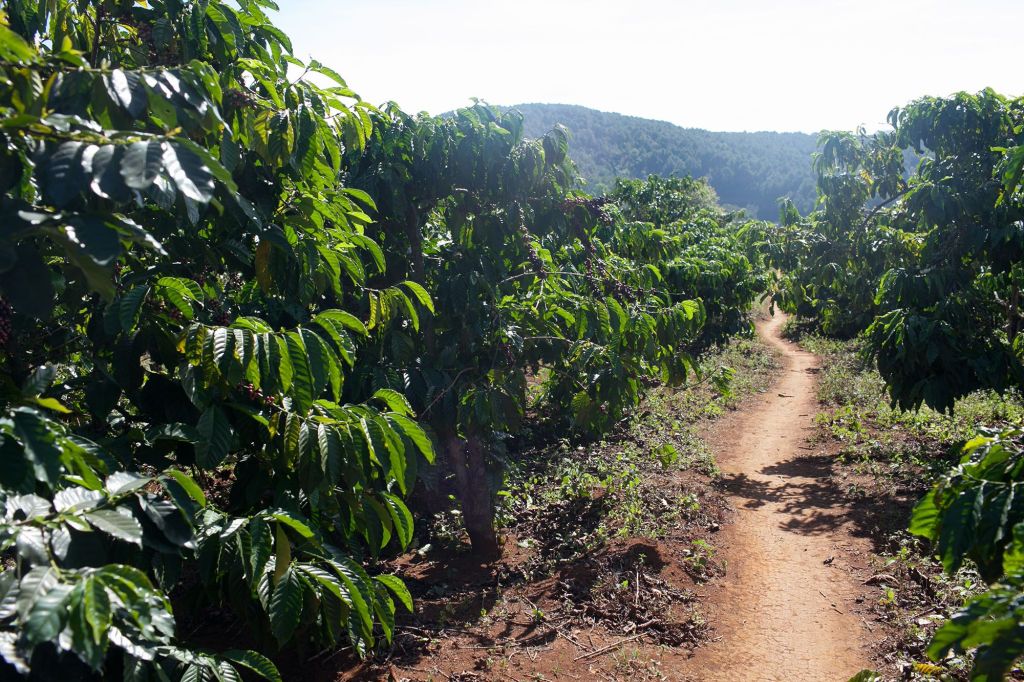
Vietnam
PC : pinterest
Vietnam has recently made her presence strongly felt in the global coffee market. Coffee with condensed milk is a Vietnamese treat you would remember for the rest of your life. Most of the coffee is grown in the Central Highlands contributing to the inflow of foreign exchange. Coffee culture in Vietnam revolves around the bold Robusta flavor.
Take a trip to Da Lat, it is a mountain retreat with breathtaking scenic spots and cool climate. Spectacular lakes, dense greenery, thrilling treks, splendid waterfalls, beautiful flower gardens and last but not the least the roof top and train cafes will keep you absorbed in the hot frothing cuppa you were looking for.
Da Lat is known for coffee gardens. You can have an educational coffee tour here, sample coffee and learn farming methods. Strains are countless and they taste delicious. Vietnamese iced coffee called Ca’phe’ da’ is thoroughly worth sipping.
Though coffee was introduced in Vietnam by the French, the country has earned the fame of creating some specialist Vietnamese coffee like egg coffee prepared with egg yolks, smoothie coffee with bananas and avocados, yoghurt coffee, coconut coffee and the classic Vietnamese drip.
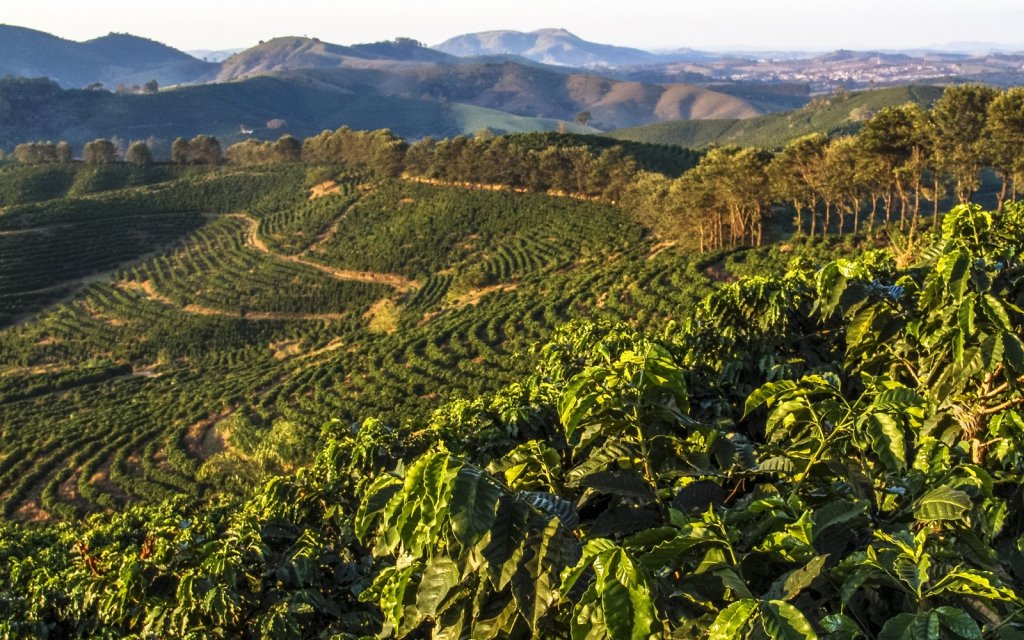
Brazil
PC: ictcoffee.com
Brazilian coffee has earned a dominant position in the global market. Brazilians are regular coffee drinkers and consume coffee any time of the day. Cafezinho is the most common type consumed and people prefer drinking it very hot in small cups.
A trip to Brazil is always a highly desired tourist preference. Not only the seductive beaches and the daring Amazon navigation, but the Brazilian cuppa would add to the sweeping Latin charm. Passion for soccer and week-long carnivals are equaled by the nation’s wild penchant for music and some top-grade coffee.
The frenzy is viral and it infects the tourists who happily yield to the craze. If you are looking for premium coffee don’t miss visiting Sul de Minas and Cerrado de Minas, only a 5 hours car ride from Sao Paulo or Rio De Janeiro. All along, the ride takes you through a verdant outdoor landscape.
The local plantations offer sampling freshly brewed Brazilian coffee. Guides are on deck for you to give you a clear and detailed picture on the history of coffee grown here. You get to know about means of farming and tricks of handling a complex supply chain making it hassle-free . The endeavor is channeled along a route in which future of the beans is bound. They will guide you to the best coffee picks at cut back prices.
Costa Rica
You name it, Costa Rica has it. From rolling beaches of white sand to tropical jungles and from yoga sanctums to organized mountain treks, Costa Rica is endowed with all the bounties of nature making it a tourist’s paradise. If you are a true blue cafephile, the Costa Rican trip would offer you the much-coveted cup full of fire-roasted beverage.
Some of the ruling coffee bowls include Valle Central and Tres Rios hardly any distance away from International San Jose Airport. It is strongly recommended you go adventurous exploring the farms in Brunca, Orosi, Guancaste, Valle Occidental, Turrialba and Tarrazu.
Produce from these estates have a universally trendy flavor with a coffee house classic lemony tang. Beans pass through an acid test making selection process passionate and fastidious. The country has a broad spectrum of weather and terrain profiles. Each is capable of producing coffee with characters diverse and sharp cut. Costa Rican coffee tours are tailored and quite easy to reserve.
India
PC: Masalachilli.com
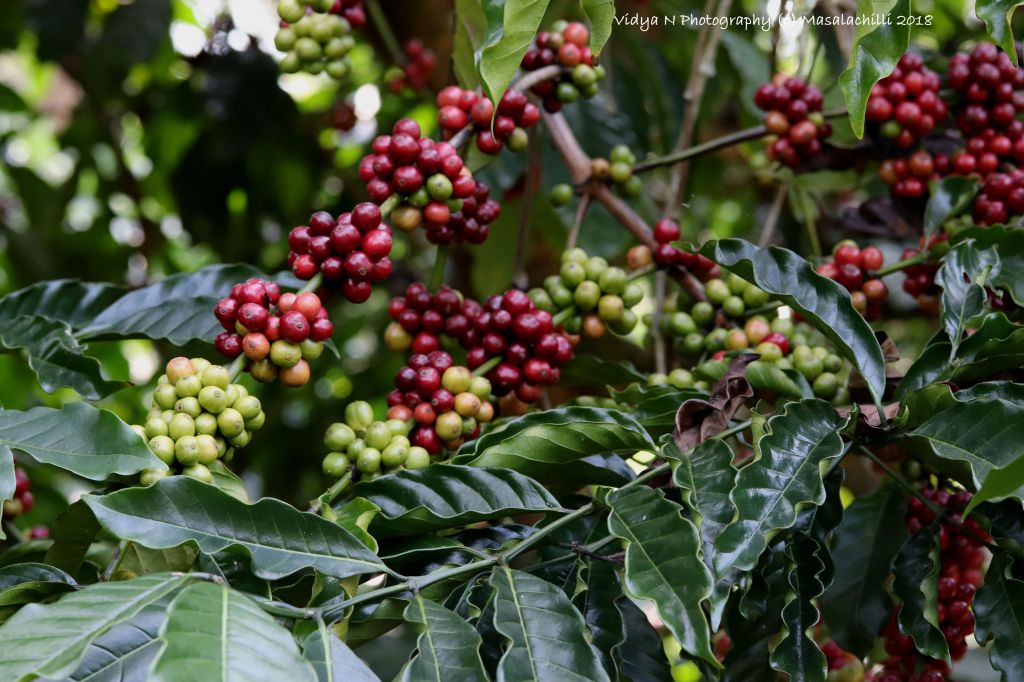
Indian coffee estates are located in the southern half of the peninsula known as the Deccan plateau. Particularly Coorg, in the state of Karnataka is the hub of coffee production. It features scenic places, lush forests, waterfalls and rolling acres of coffee plantations. Coffee farms and homestays and the unmatched Coorgi hospitality make a unique blend.
Roughly four hours drive from Bangaluru International Airport, you cross Madikeri to reach the splendid coffee farms spread over several kilometres. If you are lucky, you will enjoy the soothing aroma of blooming coffee flowers all along the drive to coffee farms.
Coorg gets heavy showers and it is green with rain-forests. Coffee grows here under cool and green shade. A visit to coffee estate called Flying Squirrel owned by Indian professional tennis player Rohan Bopanna would be a good idea. His estate’s master blend coffee processed from smooth beans tastes delicious.
Turkey
This country bordering on a mix of Middle Eastern and European customs has been a great admirer of coffee. Coffee house culture and backgammon boards keep the Turkish souks live with high energy. Spirited conversation over nargile (smoking Hookas )and coffee is an important part of the Turkish way of life, relaxed and complacent.
Turks love to talk and that can go to great lengths even in the most unpredictable callings. Coffee fuels conversation and cupfulls are consumed with undiminished gusto.
The long tradition of Turkish coffee culture has bred countless customs traced back to the elegant functions of the Ottoman courts. Amazing facts come up ,it takes forty coffee makers to make a brew for the Sultan. Little does it surprise us to learn that a Turkish female is selected as a bride based on her coffee-making skills. Failure to brew a perfect cup would lead to a break up as well.
Turkish coffee is not a drink to be sipped slowly rather it is gulped down in a few short slurps. Later the thick dark slimy leftover is put on the plate to draw fate lines of co drinkers. Which way their wheel of fortune turns could be as sweet or bitter as the beverage itself .
Turkish coffee tasting tours and learning the tricks of a perfect Turkish brew are popular among overseas travelers. The guided tours are highly interesting and educative. They take you to famous Turkish coffee houses.
Japan
When the Japanese refer to the first wave, in the instant coffee era, Kissatens were what they usually meant. Those were local coffee bars introduced much before the western Cafe culture had started growing roots into the nation’s beverage consumption profile. Coffee helped people get social connect.
In the early 20th century, the launch of Kissatens in Japan was a route to an outlandish cult seen with suspicion. Hanging around geisha houses or tipping a waiter would receive a similar social response. Today, however, cafe culture has won a new height of respect in the country. It is considered a habit in good taste and creative values that predates the influx of commercial networks.
Amid the exotic origami or mingei decor, coffee is prepared cup by cup with carefully studied pour over (frequently a funnel is applied). The domestic concoction (buendo kohli) is a deep roast, offered in a frail-looking tiny cup, invariably with a cute little saucer to go with, teaspoon and a pint-sized pitcher of cream that precisely takes in enough to make your single-serving match the exact tone of deep buff.
Jun Kissa, a unique style of having coffee in special places (cafes) evolved after the war and still appeals the young generation. The added nostalgic flavor perhaps enhances the coffee drinking experience. Coffee may not be the traditional beverage in this country, but it has gained more acceptances leading to innovations in the drink.
Columbia
There is more to this beautiful country than narcotic bosses and underworld warlords.
Columbia produces some of the finest coffee in the world and traveling to this country is absolutely safe. No big cheese would ever poke his nose they are far too busy tied up in their own business. Regions of Caldas, Risaralda and Quindio known as coffee triangle presents guided tours to coffee plantations.
Sampling and exploring the farms are definitely value-adding and you can take an extended ramble to the picturesque Valle Cocora. Cloud forests ending in sheer drops into the Pacific Ocean and wax palm plantation are intensely gripping. Hot springs of Santa Rosa del Cabal and the city of Salento with a clear outline of majestic mountains are fascinating in one word! Good hotels are around and it takes a rough 5 hours ride from Medellin to make it to the triangle.
Sweden
Did you know Swedes are the heaviest coffee drinkers only to be beaten by the caffeine freaks, the Finnish consumers? Drinking coffee is favorite pastime among Swedes and coffee time is a compulsory break. They have a name to it and call it ‘ Fika ‘ which connotes relaxed hours relished over coffee in the company of friends and close acquaintances. Usually, sweet cinnamon bread rolls go with coffee.
This was a beverage, a prerogative of the elite society back in the late 18th century. Coffee and pastry houses called Kaffeehus and Konditon were in vogue. Stockholm, Gotenburg and Malmo are dotted with coffee houses. Some of the top-notch Scandinavian coffee joints are here. Swedes are as proud as punch about their top grade coffee shops and state of the art brewing methods. Drinking coffee is a big time socialization among Swedes.
Dos and don’ts in coffee tourism
Whether you visit a coffee farm or enjoy the special coffee drinking culture in cafes and bistros, you need to be aware of specifically permitted practices to make your coffee tourism memorable.
- Study about the coffee culture of a particular coffee tourism destination before the visit. Know the etiquettes like how to hold the cup and drinking process and follow it accordingly.
- Check the weather condition of the place and coffee harvesting season.
- Know the details beforehand from your travel booking agency or the guide before setting out for the trip.
- Strictly follow the rules and regulations while you are on the trail.
- Take interest in every detail right from coffee bean harvesting, picking, packaging and grounding.
- Take part in coffee-making classes wherever possible. You will enjoy it more.
- Put on suitable clothing while venturing into the farm to prevent insect bites.
- Buy local produce to support the local community.
- Do not touch coffee beans or pluck flowers without any permission
- Take care not to spoil the natural environment by littering it with plastics and other garbage. You may end up paying heavy fines.
- Do not disturb the locals busy plucking. If you want to be a part of the bean plucking process, take necessary permission.
 simplyroam