10 sustainable green travel trends changing tourism dynamics

Technically green travelers are those who decide not to book travel within six months from their last trip to avoid impacting the earth with carbon footprints. Though these travelers are fewer than others, their voice is loud and carries weight. Studies reveal the younger generation is much in favor of green travel. They value sustainable travel and look for staying options that don’t harm the environment. 
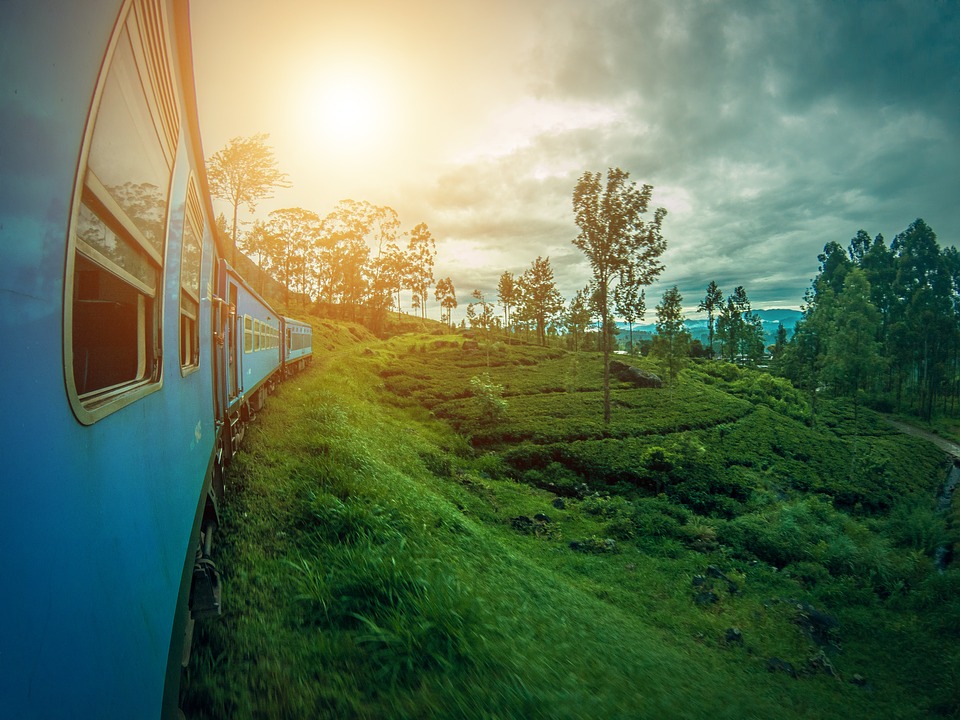
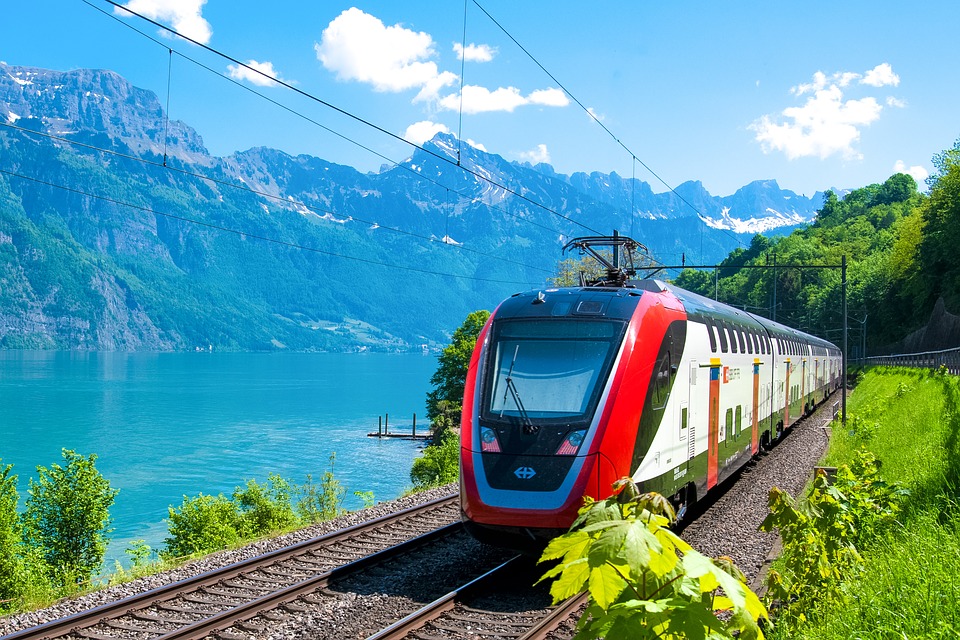
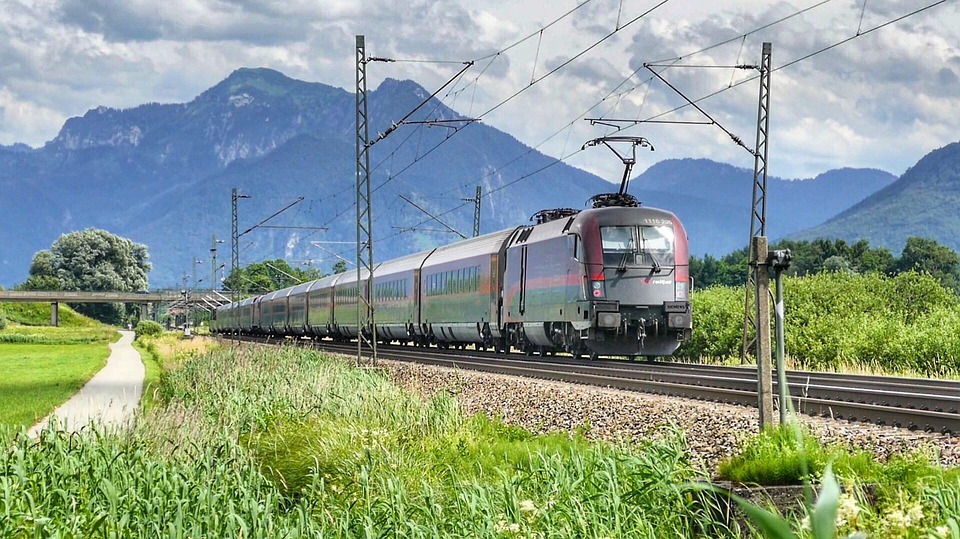
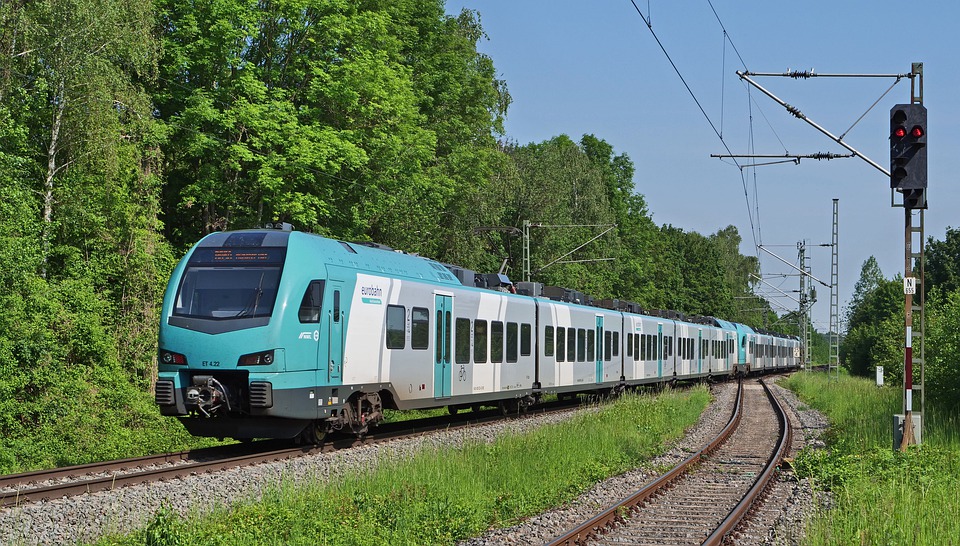
Sustainable travel by train

What drives green travel?

Perhaps the realization that the planet is generous and bountiful and doesn’t mind sharing its wealth. With this knowledge in the foreground, the looming fear of global warming, atmospheric pollution, the outbreak of pandemic, tsunamis, and quakes have swung the balance in favor of sustaining the planet. This is simple logic: don’t eat all in one day, save your ration for the leaner season. Consciousness among the younger generation is on the rise. How many of them smoke these days? Hardly any. 

Overall health awareness has climbed and so is the cognizance to keep the earth cleaner and greener. If you litter her with refuse, she would refuse to acknowledge your existence. It is as simple an equation. 

Here let’s see some sustainable green travel trends that would rule in the future : 
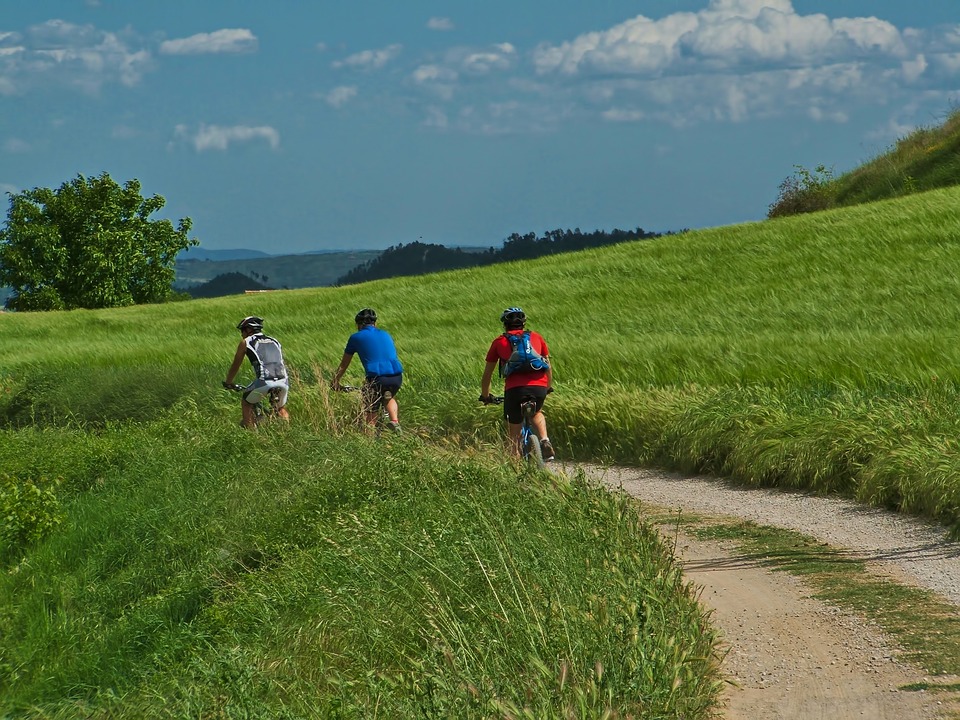
GenZ fuelling green travel trends

 Lower the age group, more unyielding is the resolve to save the earth 

Research shows it is the Gen Zers and the millennials who are all out for green and sustainable travel. Surveys on current tourism trends taken by Criteo, a personalized retargeting company studying consumer behavior, show out of canceled trips in the last six months, 62% were identified with Gen Zers and the millennials. 

Further statistics confirm Gen Zer’s strong inclination to eco travel. 

  • A survey run by Booking.com says that around 54 % of Gen Zers opine that the effect of traveling to the environment of a destination could be a deciding factor if at all traveling should be done to that place or not. It could be already harmed by enough footprints and further travel may disrupt the ecological balance. 
  • 56 % would go for eco-friendly and green staying options. 

The voice of the environment activists had been powerful enough to influence the choice of young blood to direct the consumer travel trends towards sustainable tourism. 

More tourists opting for electric vehicles
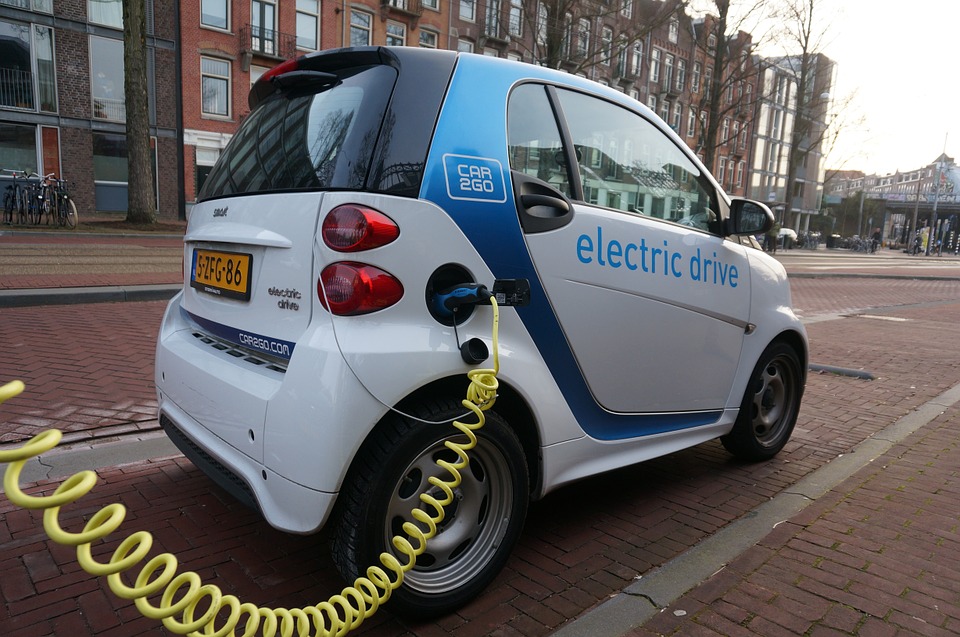
Electric vehicles to drive sustainable travel trends

Green travel trends are quite pronounced from the choice of mode of travel. In Norway, almost half the cars run on power presently and this trend is on the rise. Recharging service stations are coming in large numbers for electric vehicles. There is a chance these electric sale stations would replace the gas and petrol pumps for the days to come. 

Fuel burns into carbon contributing to global heat and clogging up the lungs, electric vehicles are free from such hazards. Even hotels are installing recharge stations and in a way breaking into the willingness of potential customers. A new market segment is identified and there may be fewer fuel-driven cars on the road. 

Pace will fall 

Slow and mindful travel

While green travel trends will witness a rise in the number of young blood looking for sustainable tourism, the pace of movement will drop. With fuel cars done away with, cycles and plain ramble will occupy the void. Even electric bikes and power-driven cars would be on the wheels.

Hotels and resorts will thrive in this business of renting out no carbon emission vehicles. The environmental carbon impact will be minimal and the overall character of travel will lose the frantic rush. This is good and sustainable in a way that guests will stay for long and consequently the rooms will remain booked for long. No guest can come in unless the existing guests vacate. The average tourist footfall within a given time frame for a particular destination will reduce ensuring lesser carbon footprints. 

Long stays to grow

The big picture will look like this: Gen Zers and the millennials will stay long once they book a resort, just like it is their second home. They will rent bikes and cycles and get them repaired in resort workshops. A fresh batch of young blood would come in only when the accommodation is vacated. Ideally, the destination will look clean and sustained without any garbage dump from outside. 

Going off the grid 
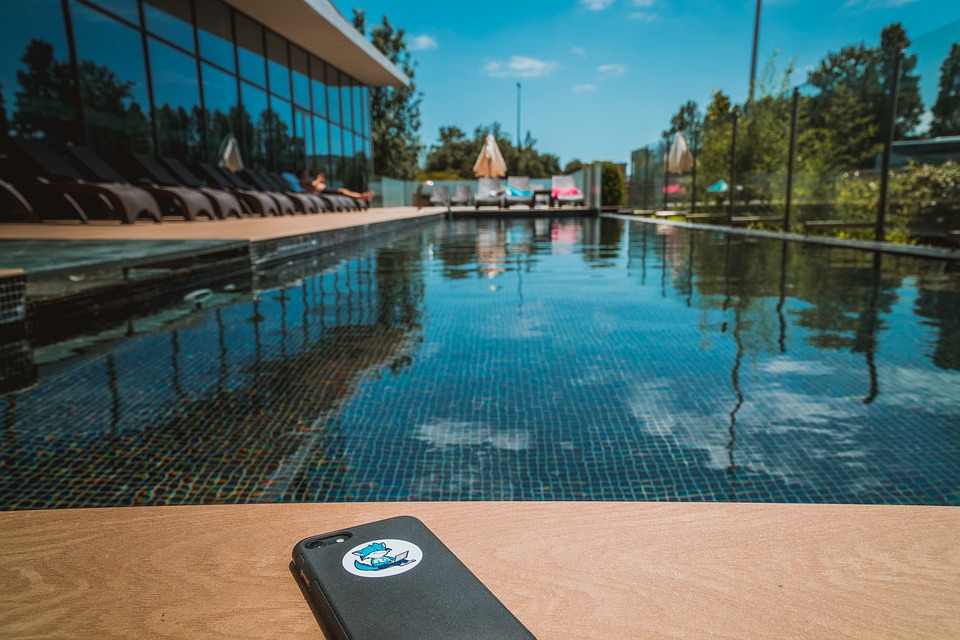
How about digital detox?

Green travel trends and sustainable tourism are complementary to each other. Nature plays a big part in sustaining the survival of a destination. If nature goes dry, the destination perishes and much of the reasons for nature running barren is the scourge of the digital world. The Internet has been overwhelmingly interfering with our lives. 

Every minute we check for alert messages and answer back. Every minute our phone rings with a buzz followed by a long conversation. Even our vacations are not spared. The digital electronic waves are harmful to flora and fauna. Many species of birds have simply ceased to exist. Many species of flowering plants do not grow at all.

Sustainable travel would mean you switch off your mobile and keep your laptop shut. The notion of digital detoxification is gradually gaining ground. It is healthy for the tourists and healthy for the ecosystem surrounding the tourists.  Instead of listening to the android and looking at the laptop monitor while on vacation, forest bathing will be a much-preferred option. This will be a significant green travel trend. It will alter the tourism dynamics. 

 Efficient management of information :

Here the key players like the resorts and tourism bureaus together with the tourists have a crucial role. Merely going on a survey and collecting data relating to carbon emission counts, garbage littered in a defined area of tourist interest, and reckoning the tourist turnover of a destination won’t achieve anything. 

The future trend will be to act on numerical feedback. Unless we have some measurements of various elements impacting a tourist spot, the control device cannot simply be applied. The resort owner should be able to see how the surrounding environment is impacted when he goes for an expansion, or for adding a line of business relating to outdoor entertainment. What are the solutions available if his decision invites a deluge of carbon footprints? Decisions based on recording the data and interpreting them for the future of the immediately surrounding atmosphere is what really matters. In a big way, these decisions and solutions will combat the challenges of destination sustainability. 

Take so much as you can eat 

Photo by Klaus Nielsen on Pexels.com

Consumer travel trends would take routes to arrest wastage of food. Food has a tremendous social, cultural, and sentimental significance. In fact, much of the character and temperament of humankind depends on the consumption of food.

Authentic food typical to a tourist destination describes the regional flavor. Food has made its presence everywhere in local myths and poetry, in literature and sport. Not to say the least it’s identity and introduction to the outside world for its gourmet delicacy. 

Wastage of food is all against green travel. It makes a destination dirty, piling up stinking garbage and creating a breeding ground for germs to spawn. Sustainable travel for the future will see efficient management of wastage resulting in cost savings. Cost is either in service providers’ accounts or to be absorbed by the tourists. Efficient management of this area will save both and it will be an integral part of green travel trends.

Putting the reins on greenwash hype 
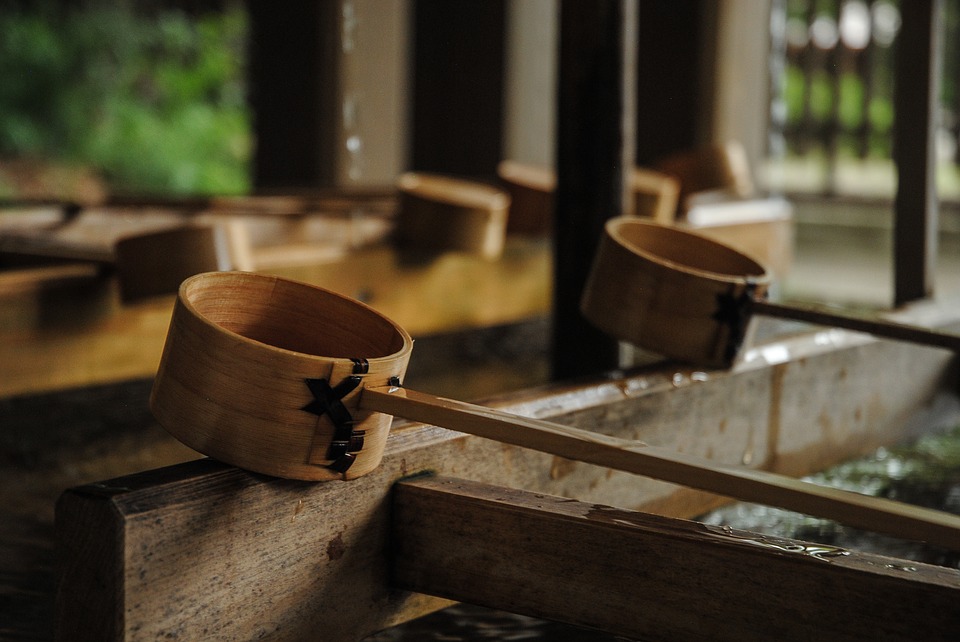
Customers are cleverer than ever before because the information is no more a secret commodity. No amount of false advertisement about ‘how green is my valley’ is going to work now. The future trend will see less and less greenwashing. If you stay quiet because your travel packages are neither sustainable nor do they pursue green objectives, it’s true customers aren’t happy, but they won’t stop giving you good suggestions. 

However, if you go on a marketing hype with false claims of green tourism, it won’t take long for the customers to get the cues. You lose credibility and eventually business. If you want to retain your customer base with genuine eco-travel you gotta work hard with your finger to the bones. 

Get in touch with environmental experts and take guidance on what all to do and what to avoid. So there is no point in misleading the customers. Take up sustainability programs and understand consumer travel trends. Keep a register for consumer feedback, it is a very important tool of measurement of how you are faring in pursuit of eco-travel goals. Negative remarks to be summarily attended so that next time the customer visits, he should be satisfied that you have cleaned up the dirt. 

Travel campaigners to amend their thoughts 

Studies carried out by market research teams come up with conclusions that around 50 % of consumers feel irritated when exposed to campaigns of products and services they are least interested in. Additional studies reveal that a quarter of Gen Zers belong to Travel Loyalty groups. 

Sustainable environment buffs are growing and the conventional awareness messages of travel marketers are hardly going to make any impact on their travel preferences. Some well-thought-out strategies to be applied to create specific and pragmatic messages that the Gen Zers and the millennials would buy. 

There is every opportunity to impress them with structured environmental sustenance messages, once you do a little exercise to find out what these Travel Loyalty programs are trying to achieve. The days of traditional broad messages targeted at a wider section of the audience are gone. 

Future travel trends show that if you are to get hold of future travelers, sell something that is out of the ordinary. A message that will truly appeal to them. They will spend some time studying and understanding a statement that they cannot ignore. 

A check on high tourist  influx 

Photo by NICE GUYS on Pexels.com

For the last one year, tourist spots haven’t seen much of tourists since the advent of the Coronavirus pandemic. There has been a loss of tourism pumped revenue. Many hotels shut down, amusement parks wore a deserted look and resorts went on a panicky cost-cutting binge.

Prior to this visitors simply poured in and hotels and resorts were booked to capacity. The impact of over-tourism interfered with the local ecology. Garbage mounted and space between one tourist and the next one narrowed. 

After travel restrictions were lifted government mandates strictly stuck to social distancing. Fewer tourists are to visit a place given they produce virus-negative clearance certificates and vaccination passports. This is a blessing in disguise as it will reduce carbon footprints automatically. 

So goal congruence between virus combat and greener travel has struck a balance. The future trend of green travel will see a lower number of tourists in defined tourist spots within a given time frame. Furthermore to make up for the loss of business during lockdown days many resorts are converting to sabbaticals. This is another trend picking up steam. Customers prepared to work from anywhere option and armed with laptops and Android phones will prefer long stay holidays. Spending a relaxed vacation and earning at the same time is very much a fad.

Consumers’ shifting attitude 

Photo by Andrea Piacquadio on Pexels.com

The new-age tourists are conscious of the past irresponsible behaviors of tourists that had been damaging to the tourism industry. The consequence of mindless tourism behaviors like littering, harming plant life, sculpting names and promises on tree barks, washing utensils in brooks, and hurting the sentiments of ethnic tribes have been far-reaching. 

Tomorrow’s tourists will never repeat these follies. They have learned it the hard way. What they look for now is an environment that is conducive to tourists and guarantees them a vacation to remember. In return, the tourists would behave responsibly respecting the local culture and contributing to the local economy. They will also do their bit to help conserve the environment of the place they are going to travel with minimal carbon emission.
How to plan and enjoy a staycation this summer?

It could be any place, preferably near your house, and it can even be a part of your house that takes you away from the slog. A necessary part of living is exposure to working and doing all that is needed for decent survival. We are then slowly pushed neck deep into work when it comes at a price. The stress factor builds up, interactions happen which are mostly far from pleasant and all of them contribute to a depreciation of physical and mental well-being.  

The obvious need is a break, and staycations stand as wonderful vacationing options. You do not have to book a flight and an expensive resort. The elements that make your holiday a memorable one can be homegrown. They could also be set up at a site you every day pass by on your way to work but haven’t ever thought of dropping in.

Most importantly staycations save you money, and time without compromising on the pleasure factor. If you are looking forward to planning a staycation in summer, this is what you are supposed to do in the beginning. 

Planning a staycation in summer

Essential staycation features include the elements of self-indulgence that set you free. This is hugely soothing and leaves you that private space to treat yourself and enjoy every moment of your staycation experience. 

Don’t bind yourself by the hands of your watch, that is restraining and that you had always been doing when you were at work. You are now your own boss and you are to dictate the clock and immerse yourself in pleasure that doesn’t say ‘ the time is up!’

Setting up a program to spend your summer on a staycation could see a number of innovative ways to go about it. How to choose a staycation is an important question that we answer here.

Select a suitable landmark 

The selection is to be made by putting a lot of thought into it because this place will be your getaway for some time. Usually, places not disrupted by noise are preferred and the quality of habitat is the obvious next consideration. Parks and open lands would be ideal. You may have been passing through these properties on your way to the office and didn’t even appraise the place for its potential. 

However, before deciding on a camping trip for a short while, get all information regarding its availability to the public. It will be a great idea to spend some time close to nature getting the feel of the soil under your feet. 

These places are generally underrated as you see it regularly from a distance. You reckon it with a mind bogged down with workloads and there isn’t a spare space and time to give it any value. The basics of essential staycation features require choosing the right site. Once that is decided you can pour all your creative genius to make it a place nothing short of a luxury vacation just close to your house. 

Stay off the grid 

Planning a staycation in summer should require you to shut yourself from the digital world. There shouldn’t be any mobile alert and notifications to break into your reverie with yourself. For a similar reason, no emails or social networking messages should rob you of the wonderful connection you have established with yourself and the nature surrounding you. Turn your phone in airplane mode and cut yourself from all worries that arise from social connections. You are here to enjoy the unlimited bliss of a staycation and have a first-hand experience of how rewarding it can be without having to travel to far-away countries. 

Book the right accommodation 

Photo by Taryn Elliott on Pexels.com

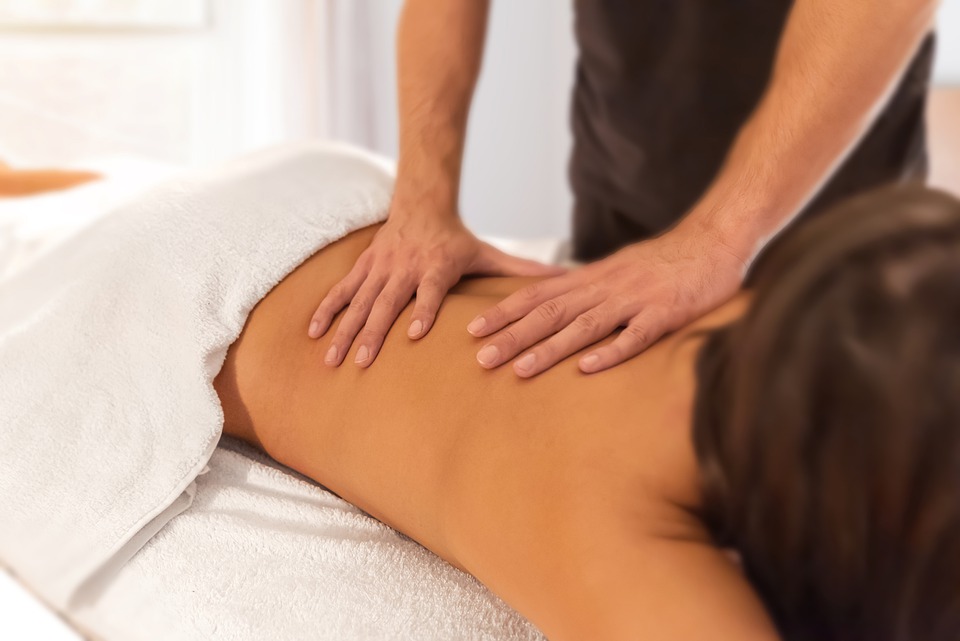
If you have decided not to have your staycation on the open ground under the sky camping, you are to select a good hotel. The essential staycation features would mean you have ample space for breathing. The hotel you select should take care of this aspect. Meditation and yoga facilities are welcome and you may go a little ahead and look for spa services. They are the important stuff that relaxes you. They keep you away from the grind. The drudgery of doing the regular cleaning of your room and washing the blinds deprives you of the intimate moments you want to spend with yourself. A good and well-organized hotel will bring to you just that coveted space that will unwind you and keep all the stress and strain away. 

Look for guidance 

If you are planning a staycation in summer you need to look for the right inputs. You are not expected to know everything and don’t expect all the necessary feedback regarding how to choose a staycation on the internet. 

Recommendations are important, they give you a direction on which way to go. Get all the inputs on hotels, restaurants, parks, and naturescapes near you that you didn’t know. These guidelines are surprisingly and immensely helpful, and they can turn your staycation into a most cherished memory. 

Pamper yourself 

You have been working round the clock and running to the office with a purpose. The idea is to get properly rewarded for all hours of toil and dedication you have been putting in. Now you deserve to treat yourself like a king, pamper yourself and break the shackles that had been binding you to the timetables and restraints. Enjoy a movie, read your favorite book late at night, eat your fill and wake up late. 

Explore around you

There can be places of immense interest right in your neighborhood that you have even tried. What’s in a little exploring it won’t do you much harm. After all, we are all here to stay for a time destined by fate, and we are only temporary guests in our sweet world. So let us make the best of the opportunity and seek places that may truly be amazing. That unexplored place can be a new restaurant, a museum, or an art gallery. It unwinds us and can enrich our experience with new tastes and flavors that work wonders on our senses. 

Travel light 

Photo by Alexandr Podvalny on Pexels.com

Planning a staycation in summer would require you to travel as light as possible. Leave back the heavy luggage, they tie you up and put a rein on your free movement. The luggage absorbs much of your thought on how to handle it. A constant fear of losing your belongings that you carry in your luggage ruins half the fun. Why don’t you do away with the luggage altogether or rather keep it to a bare minimum? After all, you’re not traveling far that you need to carry heaps of items with you. They unnecessarily curtail your liberty to move around freely. 

Do not travel too far

The answer to how to choose your staycation is simple. Do not travel too far. Stay near your neighborhood or outskirts and you will find a lot of tranquil places where you can stay connected with yourself. Not traveling far opens up an opportunity for you to contribute to your local economy. Eat from local restaurants and buy from local farms. You get the produce fresh and not turned stale by the time needed for them to travel from a faraway land to your table. 

Try your hand at cooking 

Photo by Vanessa Garcia on Pexels.com

This would for sure make up the creative bit and make your staycation well worth a place under the sky with some culinary skills honed. You have a broad range of choices from cooking Italian pasta to Thai seafood. From Japanese sushi to Indian curry. It is all a  part of clean fun that keeps you smiling and happily engaged. The creative side of yours is explored and you get to know your potential and connect with yourself to bring up some highly coveted moments. 

Get a little creative at your home :

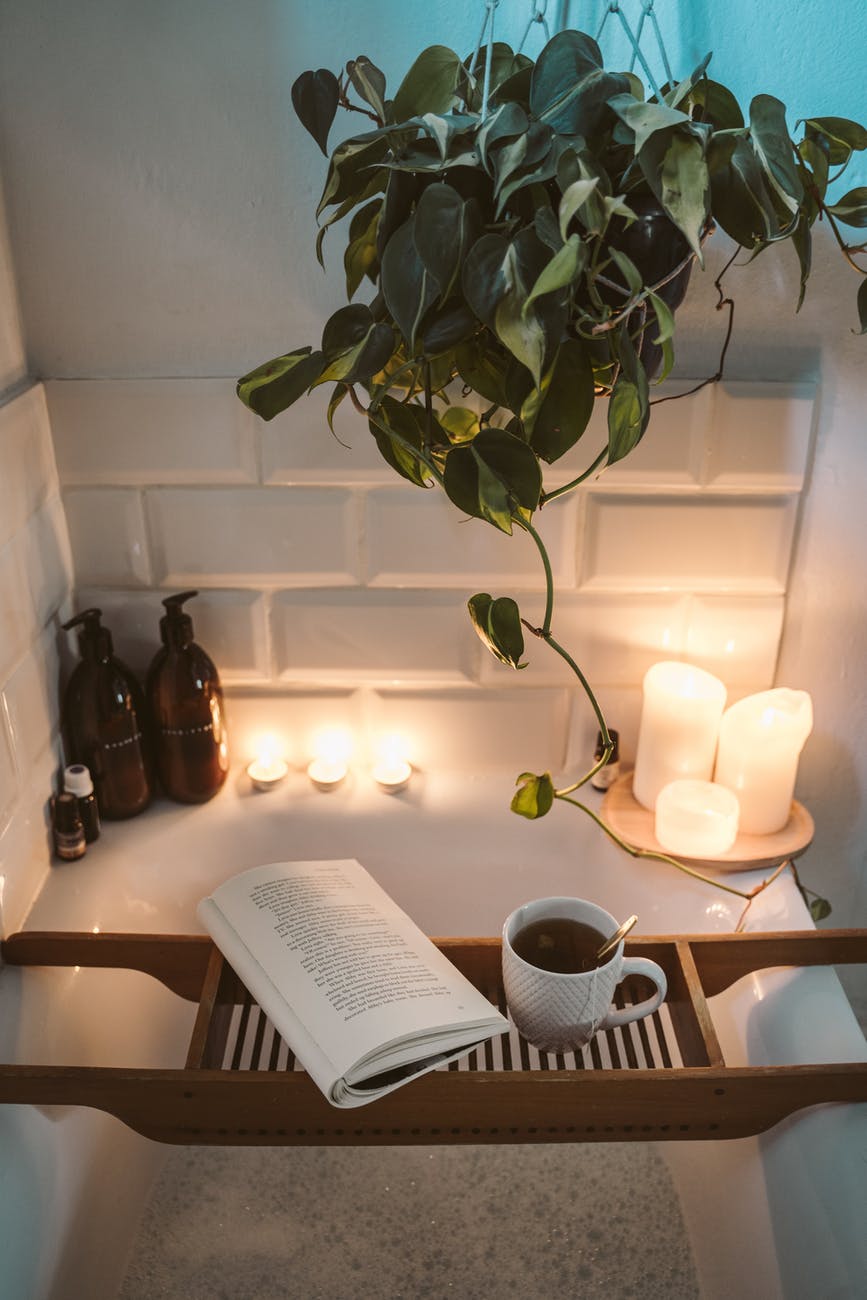
The fun of a pampering vacation can be recreated at your home itself. Be a little arty and design your own spa. The health ingredients they put in spa resorts can be locally procured. A few flowers, a few drops of oil, and a handful of basil leaves aren’t a big deal. That done, you can light up a few candles around the tub that will conjure up the right atmosphere. You may also opt to be a little outdoorsy. Get a shower arrangement in your garden and get a shower right amid the greenery. That would be loads of fun and immensely relaxing. 

Sampling wine at the local bar 

This would be educational and relaxing. You got to select the right place that is one thing for sure. Try to sample the products, get acquainted with the subtle differences in tastes, and kick. You can get a lot of information on the history of the wine you sample. The winery it comes from, the time of maturity, specifics of the barrel, and the vintners. If you take a friend or two, you can start an interesting conversation themed around the wine you are sipping.

You will be surprised to find your creativity while planning for a staycation, it could be so diverse. Once you get deep into the objective and benefits of these short near-to-house or at-home vacationing options, your joy will know no bounds.

Digital nomadism giving way to wellness sabbaticals

Wonderful are the ways the fast-growing world of digitization works. Working from the office concept is likely to become a thing of the past in the future. We can literally work from anywhere and everywhere if dedicated lines are at our service. Moving fast on the electronic highway enables quicker delivery, but still not fast enough to bring the entire gamut of industries to run at the touch of a button. Manufacturing, mining, construction, and a lot more are still outside the purview of work from the anywhere digital approach. Now that with industrial automation coming up rapidly, we could someday break the barrier, robots doing the physical work, command switches hit by human fingers sitting back home.

Photo by Andrea Piacquadio on Pexels.com

Leveraging ‘Work from anywhere’

Major industrial houses are putting extra effort and depending less on human capital. They are moving ahead with mechanized labor to avoid a second pandemic that’s now pretty much going to be a routine. Working shoulder to shoulder has other demerits as well.

Working from a distance you can avoid stress built upon a man to man interface at a workplace, avoid arguments flaring up every minute, think and plan in a tension-free environment. Needless to say, it is not a one-point solution, your boss would cuss whenever you fall from his grace over work mistakes. You will get it over the phone.  Still, that’s better than getting a piece of his mind being called in the chamber. It is a lesser of a rough ride on your health front.

Tightening up a knot in your belly and a rising heartbeat are bad enough experiences. Even if you have bright ideas they slam shut inside if you are yelled at point-blank. Work from distance and an improved sense of wellbeing came closer, there is a chance for productivity scaling up. 

More hobby projects and naturescaping are growing and if you have the right adept just tap into it! Consequently, digital nomadism and wellness found a market leading to the rising popularity of the trend.

Photo by KoolShooters on Pexels.com

Reshaping the work-life balance

What was thought to be a luxury turned into a survival strategy when Covid 19 pandemic struck. Life and livelihood were both at stake and there was no assurance both would end well. The tourism industry was on the brink of closure. Wonderful destinations, ones that were dream paradises found hardly any tourists to bank on. Earnings fell and the local economy got almost ruined. 

Wellness sabbaticals – the long-term workstations

The silver lining finally was seen, why can’t these tourist destinations cater to the needs of tourists, not just for short fun vacations but as long time workstations? These breezier and greener places are ideal for wellness, way better than the cramming offices in congested cities susceptible to a spike in Covid infection spread. 

Work and wellness can merge well keeping you healthy and happy. You are insulated from Covid in serenity and you get your wallet overflowing from the digital office work. Life and livelihood are both saved which were once put down by the pandemic. Just some innovative marketing strategy has changed the entire ball game in the favor of digital nomads, the people who are looking for working from a health-friendly destination. 

However, this is a new kind of long term vacation requiring long term visas and indeed your working kits: Your laptop and smartphones surviving on an effective net connection. 

Photo by Oluremi Adebayo on Pexels.com

Light on your wallet, light on your mind

Bermuda’s ‘ work from paradise’ marketing efforts puts it this way ” leave your claustrophobic apartments in a crowded city, come sit by our breezy beaches, earn a living from our healthy workstations “

Both the expensive and moderately priced travel destinations are working out programs for attracting potential customers who are on a work and wellness lookout. With the pandemic outbreak, these resorts were facing a low season. Now with work from anywhere opportunity, the interest of the customers and the resort owners suddenly seem forged in heaven. 

 Customers worldwide adjusted to working in their own homes like they did staying hours in their offices. With lockdown closing in from all angles the need to escape went rife than ever before. For the affluent, the choice to escape to sunnier and quieter neighborhoods was more feasible.

With their present offices closed down for an indefinite period, those greener and less crowded work stations looked more and more like permanent settlements. Latching on to the scope of loss recovery for the pandemic affected the tourism industry, hotels and resorts overhauled themselves as semi-permanent home offices. 

Easing visa norms to facilitate wellness sabbatical

On 2nd July ‘2020, the Barbados govt had launched an offer for around the year Visa in the hope of curing the harmed tourism industry. Tourists here can spend a vacation and work remotely together. It is expensive but you are guaranteed a steady earning throughout the year that you lost back home. You are to do the math and work out a viable trade off working in your favor. Furthermore, investment in health and happiness here in Barbados is something beyond that little bit of accounting fail to reckon.

The workplace wellness program that fits your needs

Digital nomadism is wandering carefully into the wellness space and fusion with sabbaticals, in the long run, looks inevitable. The key to success in a wellness sabbatical is the perfect balance between wellness and the work environment. Spending a stress-free holiday in a remote location not threatened by the crowd or Coronavirus with a steady earning is anybody’s dream.  One thing is certain you got to connect with your workplace through digital media. You got to make a living and survive, so there is no hurry that you spend the vacation in a rush. Here you feel fully secure that Coronavirus is miles away. 

Photo by Maria Orlova on Pexels.com

Why sabbatical?

Sabbatical has a history ,it is a concept as old as the Bible. Sabbath or the day of rest is a time marked by taking time off from the regular chores. Take a journey within, explore the world of academics and write a diary taking a break from orthodox work environment for a change. Currently the pandemic has made this change an enforced acceptance rather than a choice that eventually pays off. Technology has sped up this change and helped the process adapt to a modified environment. 

Banking on the remote work culture

A study by IWG Plc ,  a Swiss company reveals 70 % professionals are into remote working  once a week and 53 % half a week. The possibility of remote working and evolution of digital workstations are fast  changing the concept of work, travel and wellness. The opportunity to merge them all in one productive and fun space is there for you to grab. 

Best selling wellness sabbaticals have an unstructured schedule of work suited to individual requirements. The work environment will be set in the backdrop of nature, where you have enough fresh air to breathe and unwind.

Photo by Elly Fairytale on Pexels.com

Healthy nutrition, yoga and meditation,fitness sessions, quality sleep and de stressing tutorials are fitted into a  holistic program. Nature walks and open air workouts are very thoughtfully designed to give a unique work – life balance. High speed net connectivity will never fail you and so would access to different time zones across the world and have a seminar with your client or a word with your collaborator. 

Customers taste life here, a complete serenity that improves your thinking process. But certain prerequisites come along. The mental calm is felt when you are here for at least a month. Brief vacation won’t deliver goods. And you got to bring with you a bag full of money, your investments will be rewarded eventually. Nothing much to scare. 

Wellness sabbatical – setting boundaries

Digital nomadism  closes its doors to overwork. Studies show  overworking can kill. To stay ahead in competition companies strive hard in a bid to survive in a highly challenging business scenario. Work pressure builds up, tension brews and stress flows down the rank. Late stay at office and over work is inevitable. But employee health doesn’t understand the cause and effect relationship. It takes the hit. Researches reveal more than 55 hours of work a week can lead to stroke and coronary disease. It can shorten life span and away from home, work sabbaticals take this into account. They set your work schedule not to get you  bogged down under work pressure. 

Trend of company top brass showing concern about the mental and physical health of  human capital is gaining momentum.  Besides medical compensations and health insurance packages, employers are going a proactive way taking steps forward that their employees’ chances of getting sick are minimized. Gyms are becoming a part of organizational infrastructure .

Break between work and meditation sessions are finding a place in offices. Wellness sabbaticals is now another addition to the employee welfare schemes. A quarter of the top notch Fortune 100 companies are putting sabbaticals on offer for valued employees . Certainly, those running that extra mile investing blood, sweat and tears to contribute to their employers wealth pool , deserve it. 

Lower healthcare burden

Cost of healthcare is steeply mounting and will irrevocably continue so. Studies show 69% of deaths around the world are from preventable chronic ailments. Cardiovascular diseases, tumor malignancies, chronic respiratory diseases and mental disorders could run into USD 47 trillion in terms of treatment costs by 2030. What an enormous wastage of money on health disorders that could be avoided and wellness sabbaticals neatly fit into space as an answer. 

An important insight into reasons for prolonged lifespans was found by  Dan Buettner of Blue Zone books who authored ‘ secrets of living longer ‘. Rather than striving for a healthy lifestyle, desired results would flow in easier if you stay in the right environment. To put it in simple words, following a disciplined approach to life while living amid city grind would bring lesser benefits than what a stress free surroundings would bring you. The purpose of a wellness sabbatical is to offer the digital nomads the right environment to work in. 

Flexible work-life balance

At present many tourist destinations are offering wellness sabbaticals. These are very flexible concepts of rest and work where customers themselves design their long stay schedules. They can mix their wellness and work for a living program in line with their choices. 

The sabbatical resorts appreciate that putting a divide between work/business and wellness is not viable. In the pursuit of happiness, you can’t stay away from work and invite a block in your earnings. With this in mind, their sabbatical holidays don’t follow a rigid pattern. The guests have ample time and space tolerance to pursue work as well as wellness therapies that don’t clash with each other. Kamalalaya wellness sabbatical, Koh Samui, Thailand, and Vana in India have been doing very well in this respect. A minimum of three weeks’ stay would bring in desired results. 

Milan, Italy is opening up sunny, seafront workstations for digital nomads. Inexpensive long vacations and a guaranteed infection-free space here has baited the new breed of remote workers. It’s a symbiotic relationship between the tourists and the destinations. Milan to make up for the past tourist revenue decline and the visitors to sustain a livelihood. 

Photo by Alex Azabache on Pexels.com

Still and all a long stay at a destination away from home can burn a big hole. Even then digital nomadism embraces a wide spectrum of people. They are worked out that way to accommodate millennials just graduating from colleges to those into salaried employment. From a white-collar decent salaried guy to an average blue-collar wage earner. The rise in demand for a work and wellness program can morph into sabbaticals that are easy on the pocket. Many crowdfunded startups have custom-built sabbaticals for efficient professionals across the US. At a meager price, sabbaticals offer a cozy stay and food. Guests spend 18 hours a week on different constructive ventures and participate in nature walks and hikes. 

What goes out from your pocket is replenished by earnings from work, that’s the best part of it. 

Wellness sabbaticals are now available in many locations throughout the world. Five-star hotels, yoga retreats, and basic campsites all have them with different price tags and aimed at people from a range of socio-economic standings. The objective is to drive a fine-tuning between work and wellness and the idea is going to reschedule the future of work, travel, and wellbeing. 

Digital nomadism has been in trend for specific classes of freelancers, entrepreneurs and writers as well. They traveled on a special  passport to places away from the bustle depending only on WIFI for work. This trend was, however, a slow process and picked up pace when the pandemic made it compelling. Within months the scenario changed. A changeover which normally took years to evolve into a niche model for many professionals happened much faster. Need to  work from  office lost significance and working from home wasn’t any great idea either.

If working from anywhere is possible why not go for dream vacations?

This time the brief stay will be displaced by a long vacation. Check-in here, get yourself through the covid testing procedures, get quarantined, and embark upon your new work platform. Earn a living, cultivate a productive lifestyle, invest in health, put as much distance between yourself and Coronavirus, and continue for months until the pandemic threat is completely eradicated. 

Tracing the recovery path

Many tourist destinations suffering from revenue loss caused by pandemic are offering work certificate programs for a year. This is not exactly a Visa, rather a modification of current residency programs. In these destinations, airports are turning busier with rising visitors a chunk of them are digital nomads. These travelers have enough health insurance to cover in case infection strikes. Affordability for a long stay package is a criterion for getting a work sabbatical Visa too.

Estonia lures digital nomads with the kind of stride the nation has made turning into a major tech and start-up nerve center. It is a strong beacon for top tech brains. Estonia offers them a niche right into the digital nomad mold and it is exactly here the sabbatical walks into the scene.

They facilitate the startups for a hassle-free immigration process of those hired talents. No wonder an easy digital nomad Visa for techies to live and work in this Baltic country was a major foot forward. The already booming IT sector – based economy of Estonia is guaranteed for a big take off! The pandemic has been the new fuel driving the digital nomad Visa craze. 

The potential for remote working is dawning on both the workers and employers faster than ever before under current circumstances. Digital nomadism will not be confined to a specific class of freelancers, millions of salaried people will crowd around the idea too. 

It will be a great opportunity foregone for tourism-based destinations not to wake up to this new rush of digital nomadism. If revenue from tourism has declined for the pandemic, the same reason could go a long way boosting their economy, now from a work-based perspective. Contribution from the talent pool of visiting nomads under a work Visa is never discounted. 

The system will be more like people living a big part of their year in a different location for reasons of livelihood. One may draw a parallel between a Canadian couple spending December Down Under to escape the biting cold. Living elsewhere under a prolonged self-initiated work Visa cannot rule out legal troubles. Then indeed solutions are underway to take care of the issue. 

The founder of the Nomad list, Peter Levels in 2014 indexed in his popular website the best destinations available for digital nomadism. He went further saying that remote working would gain steam faster than we thought.  By 2035, the world would see over one billion people joining the fold. 

Photo by Karolina Grabowska on Pexels.com

Wherever there is a green pasture there will be more and more sheep going for it. To avoid overcrowding in private island work platforms, customers may choose to board a yacht. Yachts themselves are moving destinations.

You can charter a yacht, go fishing , work from your yacht and spend quality family time. It is an extension of your home cum office pressed into one wonderful module right under the blue sky. Pandemic has reshuffled the concepts of work, travel and wellness. All of these could be done in a single effort and service providers are ready to welcome your presence with open arms. 

Things to consider while on wellness sabbatical

Photo by Patryk Kamenczak on Pexels.com

For a successful wellness sabbatical certain important features to be considered. 

Separation from the world you knew is critical to creating a niche for the expression of self-identity. You hate to be lost in the crowd, rather want the crowd to listen to what you say and do. Once you are away from the grind you start feeling and seeing the world around you in clearer terms. More importantly, you know yourself better. 

Sabbaticals ensure experimentation with one’s oneself and discovering your flow of passions that were clogged by heaps of stereotyped routine work. Pursue your hobbies with a little bit of social promoting you will make a tidy living, off something you love. 

Contemplating over experiences and the merger of directions drawn from life is an integral part of a successful sabbatical. Here you take leverage on life separated from the crowd, subsist on bare minimums, and anticipate relationship issues. The underlying theory is to get cut off from society and its residual wastes, barricade off distractions and put your mind in all that really matters to open up your creative side. It is not escapism mind it, just that bit of focus necessary to chase your dreams. Are we moving closer to conditions that helped great thinkers attain wisdom? 

Is it that comfortable?

Sabbaticals have their share of challenges too. The initial phases of the new normal could be difficult. You are in seclusion with no people around for a face to face interaction that you were used to. It is like living a life in a bubble where the flow of inputs for survival may turn uncertain if not scarce. Then again restorative experiences of life can come out from difficult and unusual spaces we encounter in isolation. All in all, we pivot around distance from our recent past and modify the future. 

Train bragging – Can this growing travel trend help in sustainable tourism

Karin waited at Goteborg train station deep in thought over the current publication of European Geographical Studies. She was trying to concentrate but a vein on her temple throbbed with fury. Not after a row with hubby Jan for overdone veal. Not even little Oliver’s poor grade in mathematics bothered her much. It was aimed at those dopes traveling by air. Could people be so irresponsible to environment!

Every flight leaves behind a trail of filth gently settling down over the city. Each whit of carbon finds a way into lungs making pulmonary disorders a Swedish household malady. People should be traveling by train for a reason and it is strong enough to offset their craving for air travel. In fact, brief flights are more injurious to environment than the long haul ones. Emission of 250 gm of Co2 for every passenger-kilometer should book everyone on board to the crime of homicide. It is utter neglect of the surrounding air, shutting your senses to burning environmental issues where distances below 500 kilometers could easily be done by train.

Boarding the green rail

Hi-tech Swedish trains are a green and pollution free option to travel and could reach you faster.
For a comparison, long haul flights looked less damaging. They spewed gas, estimates kind of averaged out at 110 per passenger -kilometer. It is an offense against humanity,after all, length of flight is only an excuse. 

Night train to Ljungby arrived in stilly mode shortly as smooth as a knife through butter. Europe is way too fast and modern in infrastructure. Technological strides have been very big and acoustics have been brilliant, you can hear a pin drop. Karin collected her luggage, buttoned up her fur coat at the collar and boarded her steps had a clear sense of purpose. At least she had done her bit, changing traveling habits of those airborne morons isn’t her business.

Train bragging, the growing travel trend

Green travel is spreading fast. ‘Tagskryt ‘ also known as train bragging is the new rage in Europe. Who would bother to fly and pollute the environment with carbon emissions when an alternate means exist? Train bragging is a national pride among Swedish commuters as much as their aversion linked to ‘Flygskam’ or flight shame is quite strong. 

Trains run on electricity with almost no carbon footprints. Besides they are far cheaper modes of travel less painful on your wallet. The most powerful debate in favor of train travel is its ability to deliver access to natural panorama.

Ample scope of exploring landscape and nature in its raw form exists in train journeys. A definite form of wellness travel is guaranteed in train travel as against the long formal waiting time at airport terminals contributing to stress. Lengthy customs checking, jetlags and soaring prices of air tickets may be going against air travel.

Damage to air quality is the Achilles heels of airlines.  Flight shaming arising out of environmental concerns may soon force fleets of aircraft to stay grounded. Unless environmental issues are resolved by use of eco-friendly bio-fuels, the planes would find it hard to get an air-connection.

Rolling the wheels of train bragging

Sustainable travel trends of 2020 would certainly see more people opting for train travel instead of flying. Do we see a similar situation outside Europe? We will investigate this area later. 
It all started in Sweden when a 16 year old student Greta Thunberg went up in arms against air travel. She is one of the most vocal climate activists practicing her convictions instead of preaching dos and don’ts.

Personal involvement is far effective when influencing mass opinion.
Her target of raising consciousness about the impact of air travel on climate was achieved in a two week trip around Europe most of it by train. Later she did a solar-powered yacht trip to the US and Chile from Plymouth, England on a climate seminar. The flight shame movement in Sweden is fast gaining ground ever since Thunberg stepped into the scene.

Relationship between frequent flights and the falling quality of atmosphere wasn’t a new find. It was there with voices of protest coming up from different quarters. However, it lacked in force and thoroughness until the little girl Thunberg took up the challenge.  Fighting the demon of global warming is already a stressful project, now pollutants released by flights have taken a new bend aggravating the issue. 

Sensing alarm for the flying industry?

Studies reveal there would be a drop in growth of the US air travel from 2.1 % to 1.3 % which is alarming for the aircraft production industry. Order booking numbers for both Airbus and its competitor Boeing would slump by 110 every year. These companies would take the hit of falling revenues as predicted by the bankers to the tune of € 2.8 billion annually. Flight shaming movement would be a clear threat to Airbus’ reputation that has controlled a market segment of 57 %.

Is Train bragging catching up beyond Europe?

Responsible travel is the watchword as if saying goodbye to planes would add a fresh lease of life to planet earth. Flight aversion is not a growing cult in Sweden alone climate consciousness it is spreading fast to neighboring nations too. Studies by the Union Bank of Switzerland reveal a sharp downward trend in flying habits and instead, train trips are endorsed.

A sample survey of 6000 folks across Germany, France, UK and US interviewed, disclose a 21% drop in air travel records over last year. Just 16 % of British interviewees admitted they weren’t flying any longer but 24% of Americans still couldn’t shake off flight addiction. A big blow is coming up for aircraft makers as UBS has announced its fears about future of air travel. Airtravel across the European Union would register a growth of 1.5% only annually against a forecast of 3%. Flight shaming movement looks like it’s going to put the airlines business to doom anytime soon. 

Sustainable travel is a prime target in travel plans bringing green travel in focus. Among people moving from London to Scotland, train bragging is clearly visible. Commuters look keen on washing away carbon footprints as well as onus together opting out of air trips.
If flight shaming has started digging the grave, train bragging has ceremoniously been hammering in the nails into the coffin where the prospect of airline industry lie.

Ditching the sky

The source of the phrase ‘flight shame’ is traced to Swedish singer Staffan Lindberg’s decision to stop traveling on plane. The vision of damage to climate has shaken him up pretty much. Carbon emissions from flying planes are equated with smoking. It is as offensive a habit if not more. The latter is confined to personal health hazard which is a matter of choice though not advised for sure. But the former is far more universal and is encroaching into a domain that you have no right to harm.

Across the globe the trend of cutting down on air travel has gone conspicuous. Environmental awareness is transmitting fast, perhaps faster than the planes themselves. In Europe, 21 % flyers admitted that they won’t go up again in air in future trying to put an end to their contribution to air-pollution. For a contrast, there is every reason for train riders to celebrate their carbon neutral travel choices. They are cleaner, greener and as quick for short distances. Train bragging would rule the future of travel it seems.

So we have a glimpse of future world where airplanes are banished to hangers. They stand idle with folded wings awaiting an inglorious fate for onward demolition and sale of parts for alternate consumption as scrap. People will cut down on flights to meetings; they would take the train instead. They may opt for videoconferencing altogether instead of flying to a meeting for the sake of a greener environment. I am afraid this sustainable travel would come at a price and travel time will be the first casualty. 

Flight shaming – Not always the right path

Now are we talking about all kinds of air travel including vacation trips and serious urgent hauls which if missed may end in loss? Climate poisoning simply doesn’t analyze if it is caused by flying holiday makers or by patients being carried by air -ambulance to specialty clinics. So whatever fractional gain in environmental health achieved by saying no to planes could be annulled by lengthy train journeys failing passengers in their commitments. 

Emergencies for medical reasons are more important than climate conscious movements leading to aircraft boycott. Urgent dispatch of the sick and victims of an accident to hospitals is a case in point. At least for long trips, reaching destination fast can save a life. Trips by air done in an hour would be dragged to more than a day by train.

Duration matters

Will this option for carbon neutral travel make good the losses arising from overall delay in life?
Flight shaming or train bragging whichever angle you see the trend of travel is a radical shift. Deteriorating quality of atmosphere from smoke pumped from aircraft is mostly an obsession with the European travelers. The chief reason is geographical. From one end of a country to the other travel options don’t make much difference in time gained or lost countries being small. Even movement from one country to other within Europe is just a few hours away. Two extreme ends of Europe, Denmark and Italy could connect in less than 5 hours by train.

For that matter, high speed train connects Paris and Luxembourg in little over 2 hours. You can travel by train while enjoying the scenic beauty and ensure you are not ruining the ecosystem. The entire Europe features a manageable size where you go places by train and still not lose out on important time schedules. 

For other continents like the Americas, Asia and the Down Under, their sheer size would make end to end  train travels a time consuming affair. The size of the countries included are large enough what to talk about continents! In Africa, the terrain is inhospitable and the run is along wilds inhabited mostly by dangerous big fives.

Train travel would be far too risky even if the tracks are laid. Railway infrastructure in other parts of the world still does not catch up with European standards to guarantee a smooth and speedy travel. So doing a leisurely train journey in vast countries like Russia, China, Brazil and India would mean staying away from work for a length of time just not affordable. 

In Sweden, the employment policies are relaxed making long train journeys possible. Swedes enjoy a minimum of 25 government mandate days of paid annual leaves in addition to normal holidays. So long train trips staying away from workplace isn’t a big deal. For a comparison, the US incumbent policies are more stringent offering no paid vacations. Doing long train journeys is simply not possible it would lead to loss of pay.

As inference for most parts of the world, flight shaming is more of finding a scapegoat rather than locating appropriate sources of air pollution. Cement and concrete producing plants contribute to a substantial proportion of Co2 poisoning of atmosphere. Why isn’t a movement coming up in any part of the world to explore possibilities of more eco-friendly cement alternatives?

Sustainable tourism is limited in train bragging

In all probabilities, train bragging doesn’t sound sacrosanct. It is not a solution to keep atmospheric pollution under control in one hand and meeting travelers demands on the other. A number of conflicting targets concerning travel and its impact on climate need a tradeoff. Outright vilification of a specific mode of travel and glorification of another mode is not a fair answer.

Whatever may be the result of efforts made to free the atmosphere from carbon clog, Thunberg’s endeavor is commendable. Her tender age and her deficiency in motor coordination could not place a barrier to her efforts. It is like throwing down the gauntlet outright no matter how far she succeeds in her mission. At least she has given a dedicated try.