
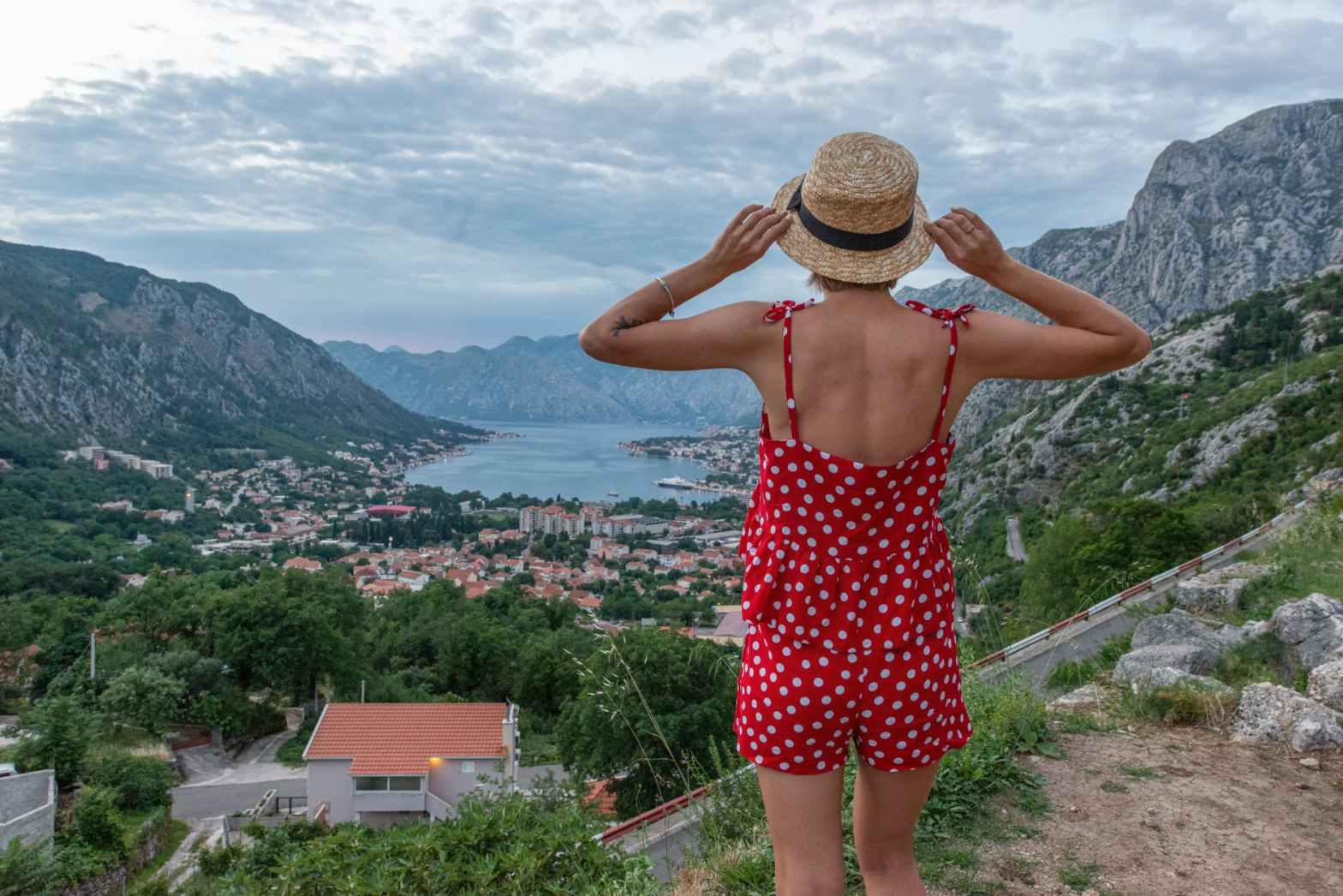
How safety threats impact travelers’ behavior and preferences? High time we think deep before our pent-up desire to travel gushes forth. Safe travel is the most important factor giving a firm mental support to the consumers that their trip is insulated from threats and they would come back home in one piece.
A nagging fear looms throughout the journey if there is even a hint of jeopardy in the course of travel. Each one of us is concerned with our dear lives and incited with the possible risk of travel, our anxiety multiplies no sooner we have taken a seat boarding the flight for a trip onward.
Much of the traveler’s changing behavior and preferences in the near future is viewed from the safety angle shaping their decisions and choices.
Identifying safety threats is more important
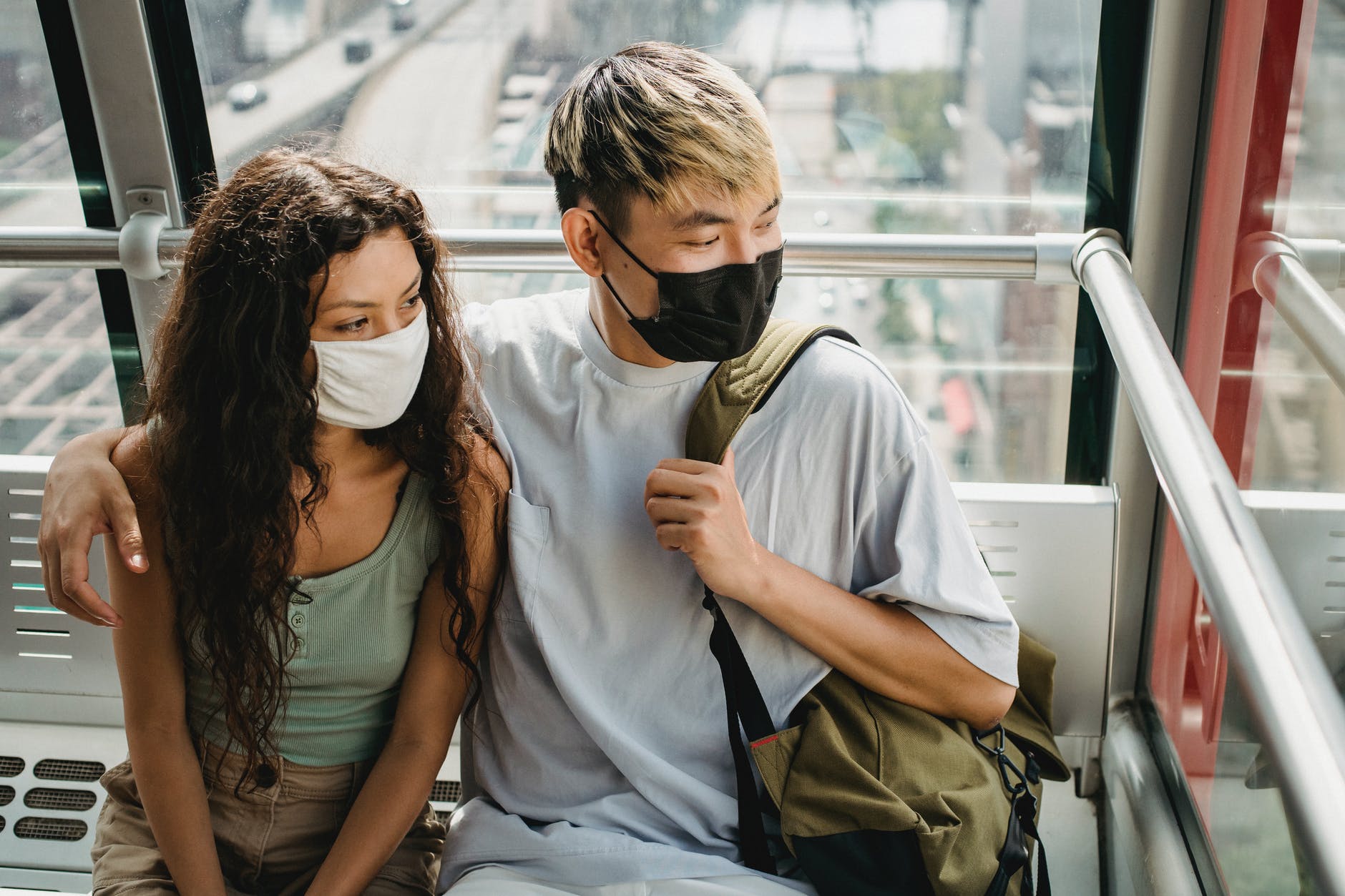
Just like travel protocols went more stringent in terms of security arrangements post terrorist assaults on 9/11 , health and sanitation requirements would be tighter after the Covid pandemic had shown it’s color.
The move is along a unilateral decision line not calling for consumer opinion. To put it in simple words travelers won’t like to go through these procedures that do not give a guarantee for safe travel. When they sniff troubled water they prefer to stay out altogether with the travel bug still biting. Testing the water for possible harms is not the traveler’s cup of tea. He is more occupied with the subtle flavor of the trip.
Simply, opting out of travel by flight and choosing a road trip instead is what they would likely do. The reigns are in consumer’s hands and they have enough options to workout a risk free hygienic travel mode without any menace lurking around.
Customer-centric travel packages to see a higher demand
The worth of travel is felt when you enjoy your trip. Safe travel is not enough, the experience with improved quality is what is sought after. It is imperative that the key players in this niche industry comprehend it.
The strategy that will lure potential travelers would include more authority over travel from the customer’s standpoint, more of a legitimate and customer centered service and more of a dynamic and flexible travel module. In a nutshell, the customer should completely feel at home and draw the bliss of travel as well. The entire concept should be in one combined and appealing module.

Greater emphasis on hygiene and sanitization
Traveler’s changing behavior and preferences in the near future would be very sensitive towards health and sanitation norms that keep changing standards in the wake of pandemic. There would be obvious competition among laboratories in a bid to market the best available. At least claiming that they are the best would need a bit of marketing hype and not much of quality delivery. A likely confusion would impact the travelers as to the benchmark and it’s trustworthiness.
Enhancing travelers’ confidence on safety measures
A similar logic would hold in the case of airports claiming a foolproof security system. Claiming the best and safest travel plan is not enough for the service providers. Their customers should find themselves in a continuous interactive platform. Notifications should steadily and unfailingly stream and pass on to the travelers indicating the safety and hygiene status of their destinations. A dedicated network should see to all of it ensuring that extra shield which protects the travelers against all risk of travel.
Anticipation of customers’ preferences – the ultimate winner
Travel companies are making efforts reading the tourist’s mind , their choices and desires. A need to re-draft the travel experiences would be a basic requisite catering to the future travel trends. The flow is towards more digitised and personalised services. The dangers of an all out and open travel have shown their killer faces. Tourists moving from one continent to another and hopping from country to country in close contact have given a highway for Covid pandemic to cross over and take lives in matter of minutes. Lessons have been learnt the hardest way and measures re- designed and thoughts guiding an itinerary have been amended.
However the valued concepts of a greener ecology guiding travel norms have not lost their significance. Wellness and sustainability still rules and now they are viewed from a different perspective that includes social distancing and the need for sanitisation as the other important components.

Smooth and comfortable interactions
The consumers interact with an array of people and services in course of their travel including the airhostess, flight purser,customs people at airport, waiters at restaurants , store clerks and salesmen at shopping plazas. Last but not the least the logistics arrangements including cabs and local bus and steamer services do count a lot. It can impact the traveler’s experience.
A traveler may be unwilling to visit a country just because the cab driver wasn’t courteous the last time. A whole lot of factors are responsible which needs an appraisal so that the traveler’s changing behaviour and preferences in the near future can be read well in advance. A high level of proactive and pragmatic approach is what’s needed to make most of the changing scenario and leverage it towards the growth of the tourism industry. If we have lost anything we need to bounce back with enthusiasm and a well calculated endeavour.
The silver lining here is obvious as it calls for lesser investment for playing by the changed rules where the stakeholders need to get a view of travel trends putting on a traveler’s glass. What is required is a revised outlook.
Prioritisation of customer services to be worked out after a thorough and intimate study of the traveler’s response to different inputs supplied by the travel companies.
The need to tradeoff between availability of deliverables and traveler’s choices striking an optimum balance is what is thought would take over the tourism industry for days to come. A three pronged approach seemingly works well with customers winning their faith and likings :

Extend your customers a more liberal and authoritative platform :
Customer’s brand loyalty can be won by extending them the freedom to design their own itinerary. Here the valuable services of the digital tools play a significant role. The ease with which travelers can alter or cancel their travel plans go a long way making the entire exercise smooth, easy to operate and time saving. This element is more important than price bargain. Making travelers more liberal in matters of travel choice is something to do with the quality of travel that money often fails to buy.
The service to customers to be personalized and not to lose the human element :
An important approach that a travel agency should keep in view to keep in tune with the future travel trends is to push the perfunctory approach behind something genuine coming straight from the bottom of the heart.
Boutique hotels have made a phenomenal growth between 2018 and 2019 in the United States. Customers are attracted to these brands of hotels which ensure them some private space with a human touch and a level of unadulterated dedication that money cannot always buy. These subtle treatments often have powerful psychological appeal pulling tourists from all quarters. Services should be consistent and should be sustained with a long life.

Talk to your customers and hear what they have to say
Keeping a seamless contact with the customers is rewarding. Listening to the customers with patient ear and entertaining their suggestions go a long way in strengthening the seller- customer bonding. It eventually reaps benefit for the tourism industry. What is being talked about is a cross functional agile team that will continually assess the changing pattern of customer demands in the face of the new normal that the coronavirus pandemic had left in its wake. Those who wish to read the traveler’s changing behaviour and preferences need to take into account how the customer’ pulse feels when exposed to a changed socio environmental climate.
Considerations guiding future travel
Travel safety will be the topmost priority while working out a travel plan in future. The pandemic had set the travel industry in a major topsy turvy. Traveler’s will certainly test the waters before taking a dive. Factors affecting the safety angle would touch the following areas :
- Efficacy of the control measures followed in tourist destinations that would render the virus harmless.
- Covid-19 affected destinations would have to stand the test of customer clearance. For these places blotted by pandemic stigma, tourists would decide whether to visit or not. Even if the customer response is positive, they need to maintain a certain threshold safety parameters that the customer would agree to.
- Tourist destinations and the players interested in the growth of the tourism industry would frame reliable strategies to win over traveler’s fears. That there is enough evidence of hygiene and safety and that the virus is completely tamed.
It will be a complex issue that will put these players before the million dollar questions. When would the rush of tourism resume and which way would the wind blow with respect to the popular destinations that would feature in the new scenario.

Impulsive travel gaining steam
Traveler’s changing behaviour and preferences are increasingly being guided by impulse. They sought after instant and accurate information towards which the digital world has its immense contributions.
Surveys reveal almost two thirds of US travelers look for an impulse trip where a decent stay and the quality of flight and it’s corresponding price do matter a lot.
An information is not enough however accurate or fast it is, it should suit my preferences to be any worth of travel. Personalised service always demands a premium and travelers embrace it with open arms. Future preferences are built on past trends and the service providers are expected to deliver a continuous quality service keeping a close tab on customer feedback.
Travel rebound will take time
Even it will not be easy for the countries who have done well to control the spread of virus by social distancing and other means of sanitation and public awareness. Travellers won’t jump back resuming travel, it has been a bitter experience and many have burnt their fingers trying to travel. Travel safety will be a top priority target to build back confidence in potential customers.
Traveler’s changing behaviour and preferences is highly sensitive to the behaviour of the virus and it’s lethal bite into the population map. Players in the tourism industry need to workout solutions so that their customers have a seamless feel of security encapsulation while they travel.
Mapping the traveler’s needs under the changed scenario :
For many destinations the customers have been fed with the notion that the virus had been brought under control and the new normal demands they live with the virus, herd immunity would be achieved with time. However, travel mandates keep the practice of quarantine very much alive. Despite having put all these travel safety inducing strategies in place about 45 % of the travelers are afraid to deep their feet in untested waters.
A second picture that comes up for a few destinations ensures complete annihilation of the virus and availability of good enough medical treatment. In spite of the successful pandemic combat programs, 35% of the travelers preferred not to travel.
Digital world coming to the rescue of an uncertain tourism market driven by customer preferences :
Traveler’s changing behaviours are increasingly shifting towards a trend where past experiences and personalized service are meaningfully blended to achieve ultimate satisfaction.
To read the business climate, digital help would do a miracle given they are applied to the right business model. Artificial intelligence and machine learning would analyse new opportunities and explore untapped markets enabling the travel business entities to serve the customers better.
Digitised marketing exercises putting emphasis on the customer preferences built on past trends and customisation would take the tourism industry forward towards an expanding future. Digital technology could bring in line the customers needs and delivery of solutions to meet them through a simplified and comprehensive module.
A study reveals a bit of math showing the way the preferences of the travelers go.
- 57% of American travelers desire that the travel companies should customize their services to their personal preferences and precedence.
- This would further lead to a spike in revenue to the tune of 36%.
- Needless to say machine learning and artificial intelligence would locate the trends with comparative ease.
Digital signals will find new respect among the customers
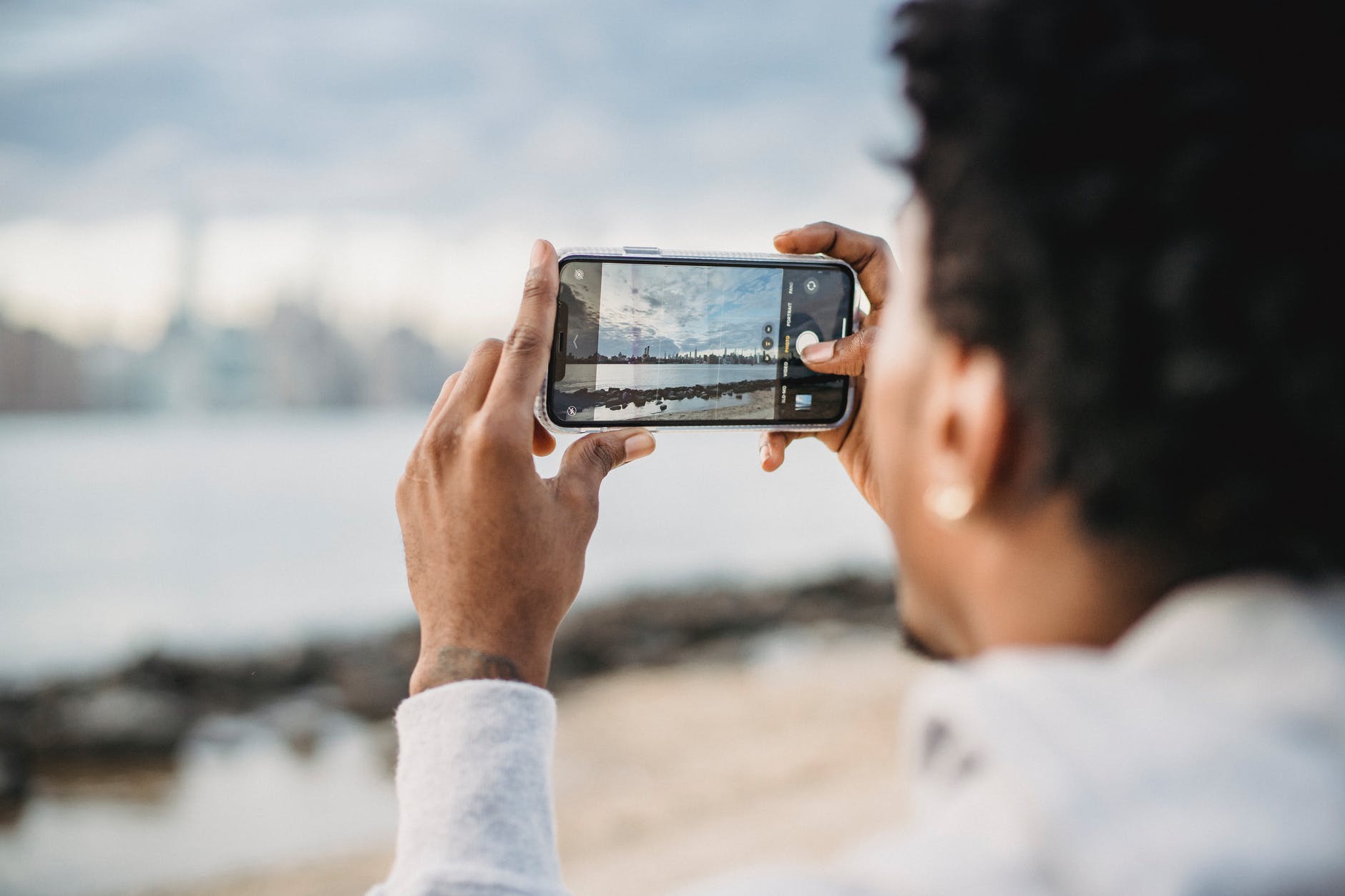
More and more travelers are feeling at home interacting with the computers when searching for reliable information on the travel domain. Research shows that a third of the travelers prefer using digital platforms for booking a trip. For that matter searching for the right accommodation or availability of a flight could be safely entrusted to digital assistance.






























 simplyroam