
Author Archives: creativekart
Vallone Vineyard – Discovering Wine Tourism in India
The eight-hour journey to the Sahyadri mountains had left everyone cramped in the sweltering minibus hungry and tired – a deadly combination for us, fledglings to Indian travel and transport. Nothing could alleviate our choleric temperament, or so we thought. But the longing to experience an Indian version of wine tourism, however, kept me energetic to some extent.
The exuberant myriad of blues and greens from the gentle slopes covered in foliage to the clear cloudless sky and the sparse peppering of red and purple hibiscus around the valleys and the edges of the serene waters of Mukhne Dam would certainly make for a very successful Gogh painting but wasn’t enough to put our exhausted minds to rest. The cool consolatory breeze did lift my spirits a little but presently, all I needed, in fact, all we needed, was some sustenance. So you can imagine the gargantuan wave of relief and delight that washed over us as we entered an amalgam of various smells of seafood and garlic wafting in the warm kitchen air and the musical sounds of sizzling meat in butter.
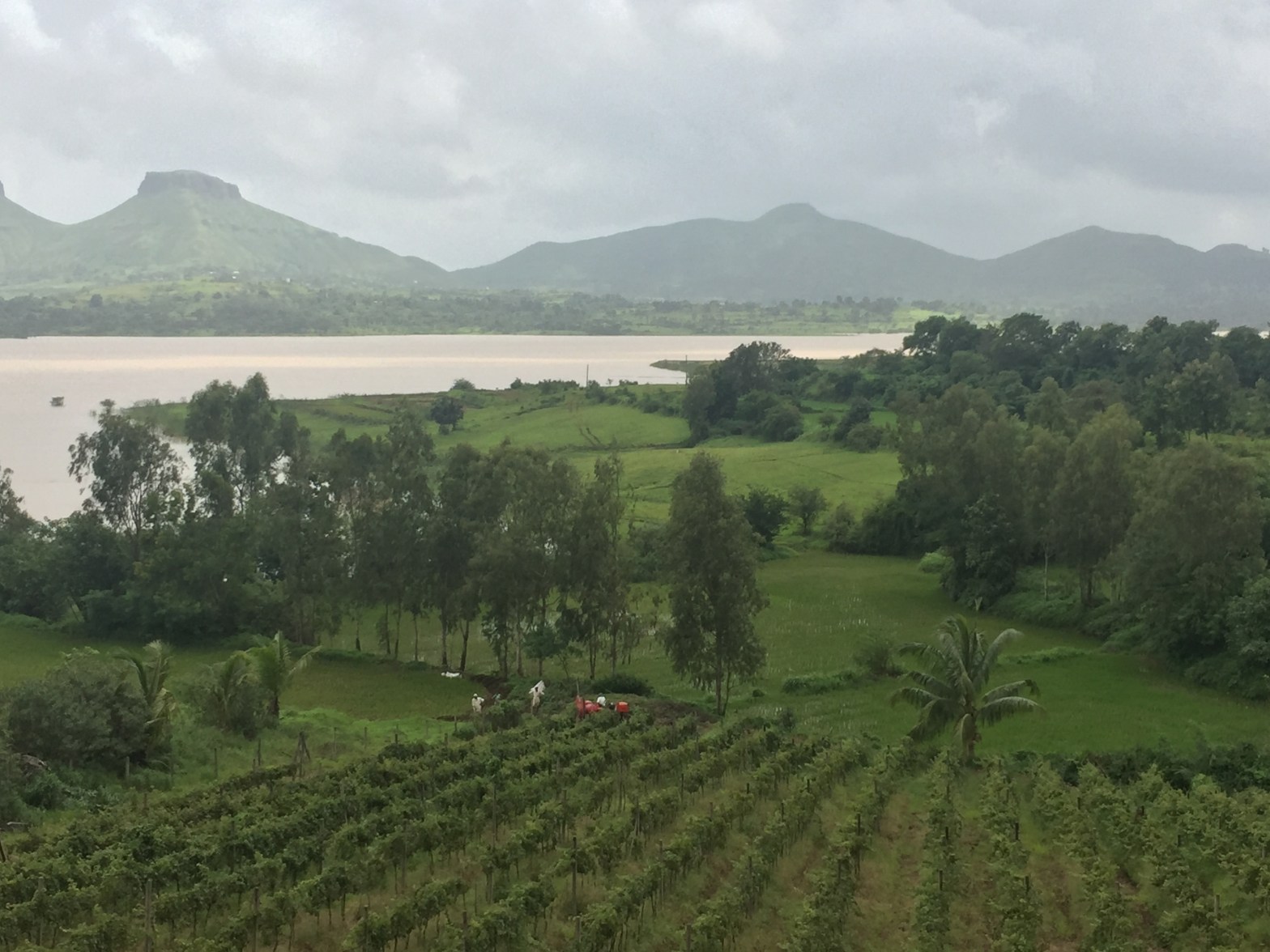
Unfortunately, this paradise would have to wait. Lugging our suitcases up the staircase we reached the topmost floor of the cottage to a promising view of the picturesque landscape around us. My hunger-crazed brain really needed a minute to fully take account of the breathtaking view ahead.
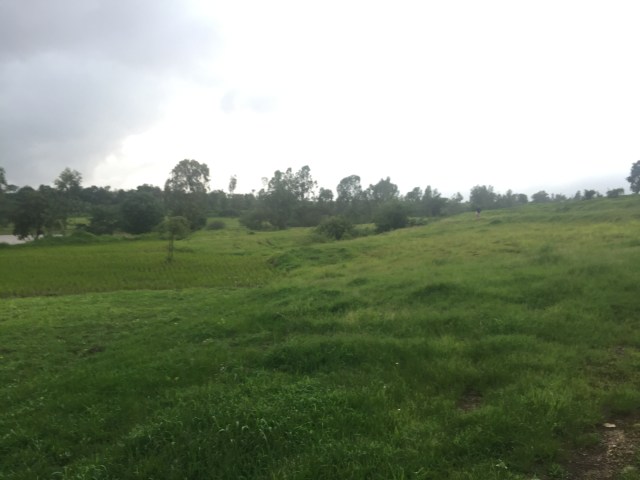
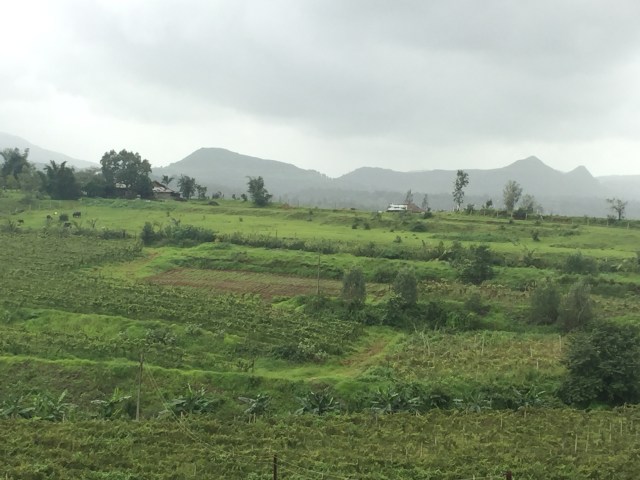
A huge verandah furnished with a few sofas awaited us, looking into the greenery outside. There was no civilisation for miles! Just endless grassy knolls with paddy fields circumscribing the lake and a lone shack in the midst of the planes with wild roosters crowing excitedly on the roof to harmonise with the baritone soulful mooing of a huge chocolate cow.
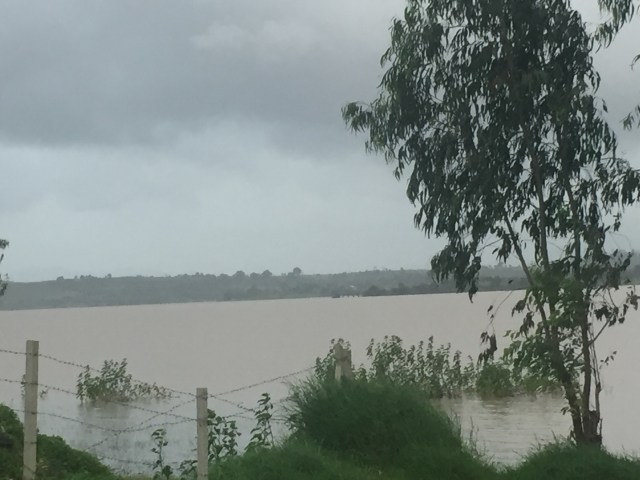
Just below, however, was the prized Vallonne Vineyard with small bunches of sour little grapes scattered among the vines here and there. To be honest, this looked fairly ordinary compared to the majestic mountain range before us. An embarrassingly ferocious growl broke this reverie as I realized how empty my stomach was.
The menu looked enticing but we were sceptical that the food would really be as succulent as our other senses perceived; there wasn’t any civilisation for miles and this also meant no marketplaces! However, every gastronome out there will agree that the food here tastes even better than it captivates any other sense.
The different white and rosé wines to accompany the huge buttery lobsters and the spicy tender chicken were also surprisingly good for a vineyard that isn’t so old. The food was happily received and induced everyone into a peaceful slumber in the lull of the evening breeze. But being in a place so far from the bustling throngs I was used to with only an orchestra of crickets to accompany me made it too irresistible to explore.
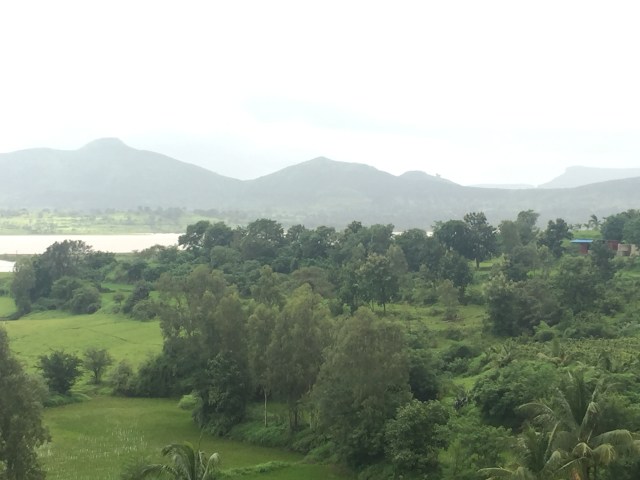
Thankfully, a trip had been arranged with the owner of the vineyard to do a little wine tasting and try and scrutinize the grapevines as intelligently as possible to look at least faintly interested in his passionate and proud raving about the complex process of winemaking.
His unusual assortment of wine (especially the dessert wine) had caught the sight and taste buds of millions across India and this rapid success had given him hopes of exporting into foreign countries too, to aid the very slow growing economy of India.
Unfortunately for him, he was cut short because July was not the harvesting season and so the grapes were still too tangy to be tasted. This meant I would have more time to appreciate the undervalued Indian countryside which was equally as resplendent as any Tuscan landscape.
The wan glow of the full moon had completely metamorphosed the cool emerald shades of the hills from the brighter, more ebullient sunlight even though it wasn’t quite dusk yet. The swollen clouds overhead shed a slight mauve hue on the slopes as the pearlescent moon competed against an orange setting sun, reflecting a fine rainbow sheen on the lake and as Mukhne Dam rippled in the short bursts of the wind, a kaleidoscope of colours danced and glittered on the otherwise still waters.
An eerie silence cloaked us in all directions, a sharp contrast from the city of Bombay, and this reminded me again with a thrill that we were completely and utterly alone — save for the kitchen staff. The path to the lake meandered past the wet grass and slopes, as my footprints were left imprinted onto the blood red clay, and the lonely shack with two farmers toiling endlessly on a marshy paddy.
The Uffizi Gallery – Renaissance revisited
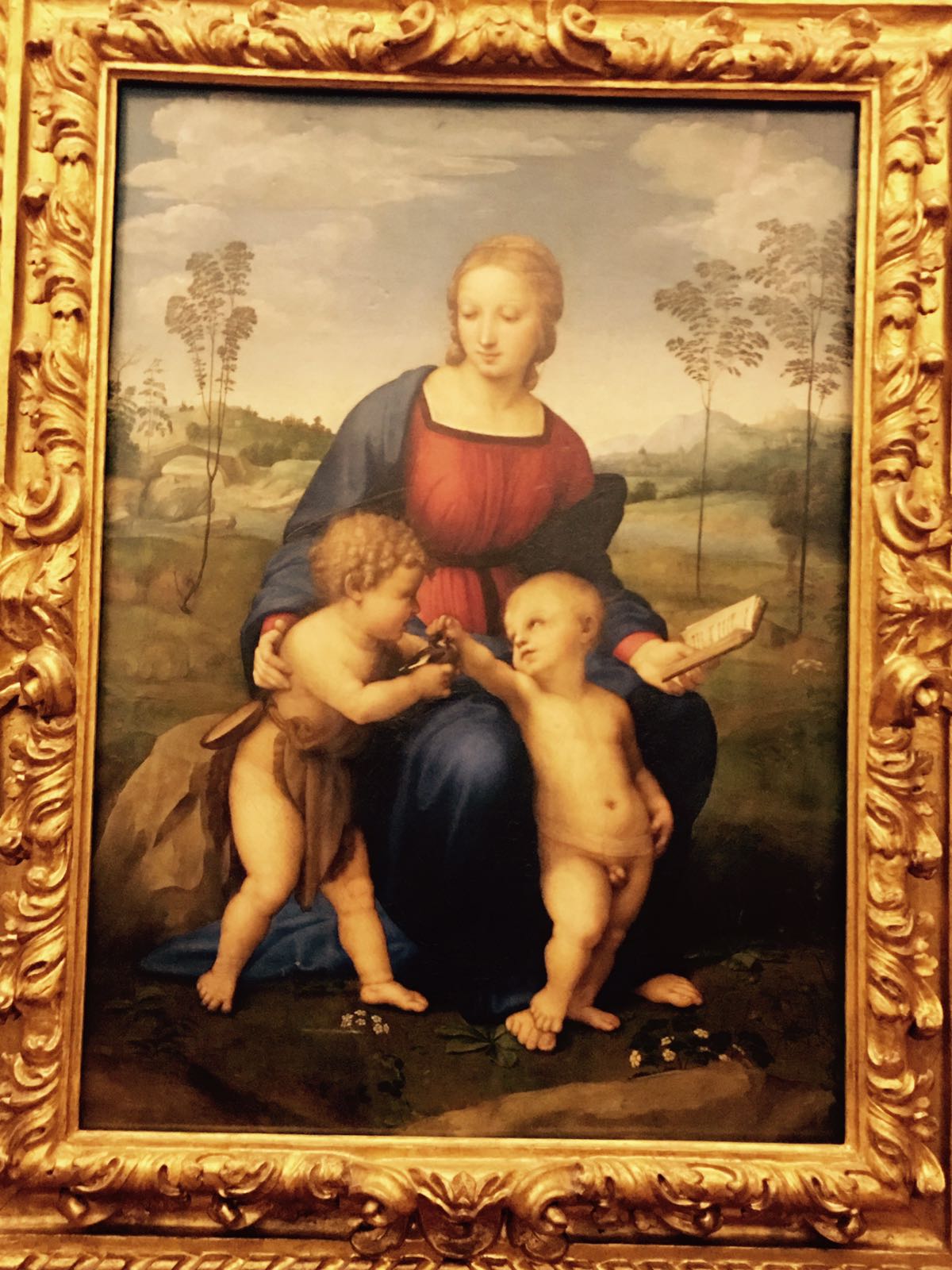
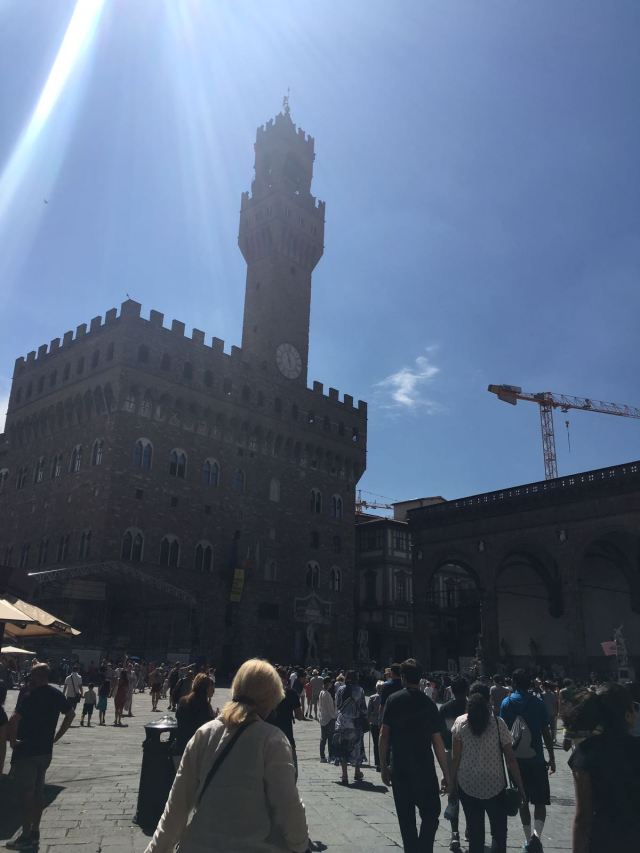
You would think that getting away from the crowded cosmopolitan capital of Rome would have calmed down my sweat glands but I made the same mistake. Florence (or Firenze as it’s called in the vernacular) was just as bad or even worse as every architectural or cultural masterpiece was squished together to compensate for our sore legs. But who cares about tanning and oily faces when there’s so much to see and explore?
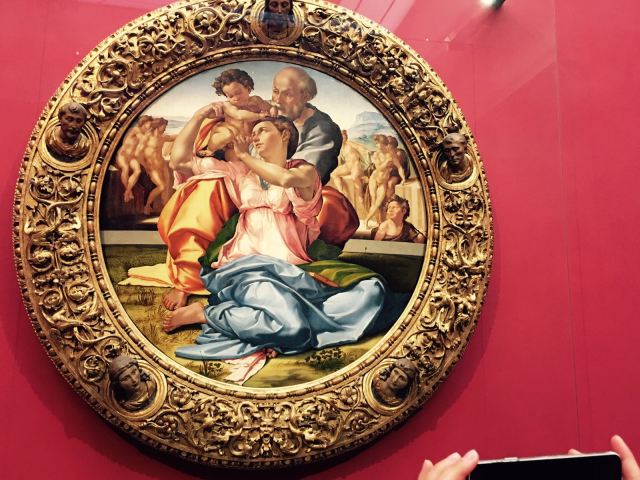
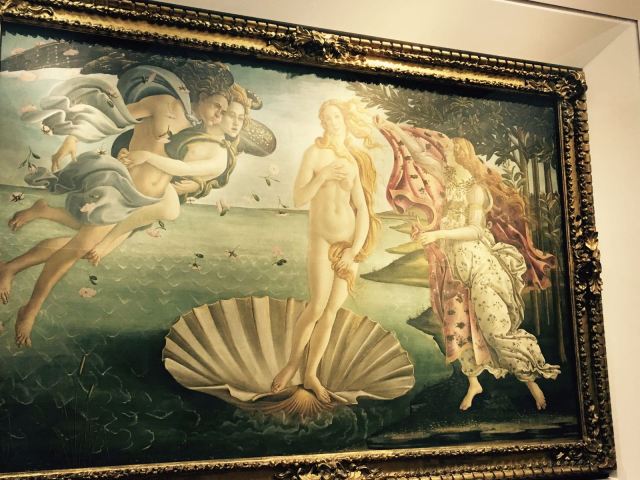
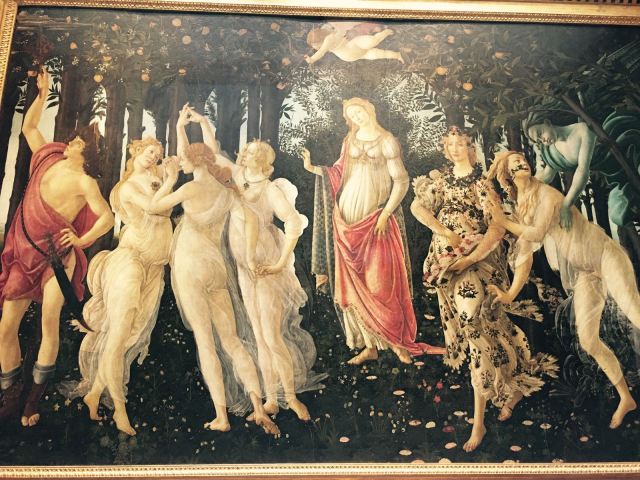
Florence might be way smaller than Rome and only have one train station but no one can ignore the plethora of artwork left here by the three great maestros – Leonardo da Vinci, Michelangelo and Raffaello Sanzio – all housed in the remarkable Uffizi Gallery.
However, the building of this famous art museum started off with a completely different purpose. It was supposed to accommodate all the offices of the Florentine magistrates, under the command of Cosimo I de’ Medici, a member of one of the most influential and politically convoluted families in Italian history. The top floor was reserved for the family and guests as a gallery, including a prized collection of Roman sculptures.
In the guise of bringing the administrative offices under one roof, Cosimo intended to show off the most important artworks from the Medici collection. Over the years, so many more sculptures, tapestries and paintings filled up the walls and corridors that it became the prime attraction of a Grand Tour.
This newfound fame brought two of the great maestros to convene here to steep themselves in the “beauty, for work and for recreation” as quoted by Varsari the architect who built the gallery. So it is not surprising that their work is also proudly exhibited alongside the other noteworthy pieces.
Unexpectedly, the Uffizi Gallery is not located on a lone, high Tuscan hill, guarded ferociously from prying eyes and groping hands. It is very much in the centre of Firenze, surrounded by throngs of people, slathered in sunscreen and holding onto their valuables for dear life under the glaring midday sun.
With a pleasing view of the Ponte Vecchio, the oldest bridge built across the river Arno, it is a major tourist attraction. Adjacent to the gallery is a square filled with statues of important Italian historical figures such as Amerigo and Petrarch.
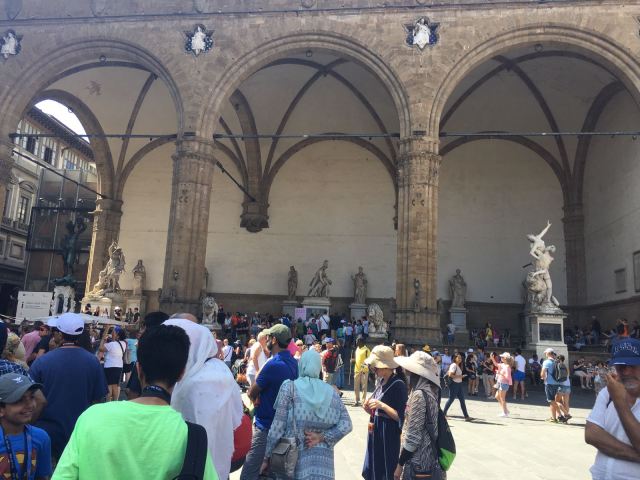
These mustn’t be confused with the infamously skilfull street artists though and every accidental photo of them will result in lighter pockets. After all, the phrase is ‘travel light’, not travel loaded. Then there are the illegal street dealers enticing amateur art critics with pretty landscapes of Tuscany lain out artfully, only to flee at the sound of a siren.
Outside the lovely shade is Piazza della Signoria, one of the many squares of Firenze (squares because the Romans who built them were geometric fanatics), showcasing even more statues that are replicas of the marble originals which are situated in the Galleria dell’ Academia, including Michelangelo’s David and Giambologna’s Rape of the Sabine Women.
The only odd one out here is a bronze statue of a triumphant Perseus holding up Medusa’s head by the snakes. This sculpture by Cellini represents Florence at its Golden Age, a small city packed with such a rich cultural heritage that it could overpower the encompassing cities challenging its influence and strength, much like the vanilla, dime-a-dozen guy, Perseus, who used his brain and the little brawn he had to defeat the supposedly invincible monster.
If that’s not enough to make you forget about reapplying your sunscreen and gladly get pickpocketed, then the Renaissance cultural movement isn’t really your cup of tea – or more rightly said, the pot of paint.
Monsoon in Goa
Crystal drops of rain water slid off long blades of grass and I drained the last bit of coffee from a mug bought from the Arpora night market. A snail was crawling up a wooden stump covered with sprouting fungi leaving a slimy moist trail.
The Arpora mug was an exquisitely designed piece having biblical engravings. The rain stopped but clouds kept gathering across an overcast sky. It was Palolem in monsoon, the South Goan beach close to Karnataka state border where I chose to rent a Konkani cottage not far from the Arabian Sea.
You can capture Goa from a different angle of beauty during the monsoon. The nonstop clatter of rains pouring down on your shanty roof top and lush vegetation responding to this bewitching spell of the wet season is mesmerizing. The green belt flanked in between the sea and the Western Ghats is in full blossom.
Your long standing notion that Goa is blessed just with the sun, sea and sand is not enough to describe the tourist potential of this tiny Indian state. There is a lot more to it and monsoon unravels its bounty, endowing the state with a breathtaking spell of a picturesque getaway that the tourists find irresistible.
The thick sylvan landscape, the distant Western Ghats shrouded in nimbus clouds, verdurous and populated with wildlife, the roaring sea where the distant horizon turns blurry as the sea and grey sky overlaps and certainly the zesty Goan cuisine with a round of local swig offers a terrific combo.
Monsoon sky is a riot of colors in the evening when not raining. Perhaps moisture in air splits the sunlight into its primary components radiating stunning shades. Sunset on a monsoon sea is a million dollar seascape.
The national highways cutting across Goa are too good to be true. Drive from Palolem to Calangute in the north is a slice of splendid travel. Once I was on my way to this much talked about sea beach of Calangute, I found it gorgeous and a little over crowded but Palolem would still rank as number 1 in my bucket list.
Rains had enhanced the beauty of the enchanting landscape. Occasional temples and churches came into view as I drove further up. Parallel to the highways, about a couple of kilometers to the east, runs the Konkan railway track. The air is clean and fresh washed by spells of driving rain and nature left unspoiled.
Cashew plants grow wild and all pervasive without much commercial effort as seen in an organized plantation. The rainy season is long from end May to September and the showers storm in deep and heavy downpours.
If you thought monsoon is a bland season forcing you to stay indoors, come over to Goa you will have to think over again and amend your impression. Here we go with some of the most eye-catching Goan destinations in monsoon:
- Doodhsagar waterfalls:
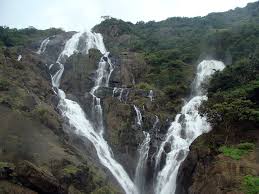
This is a hidden gem of the Western Ghats burgeoning in a wild beauty of epic proportions. The tumbling waterfalls fed by monsoon rains look indeed like a moving sea of milk. It runs down the rocky terrain with a thunderous boom drenching everyone close by.
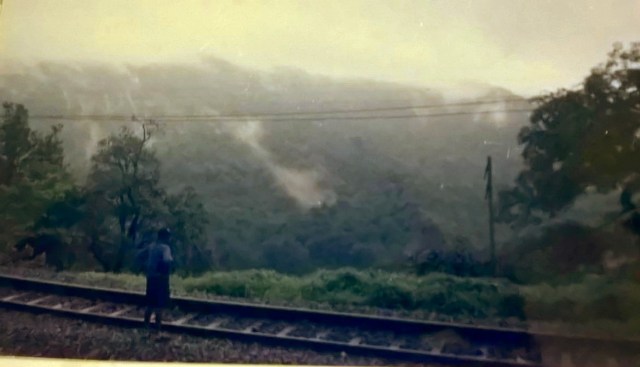
The lush cover of herbages and creepers through which the railway tunnel runs drilling through hard rock adds to the scenic charm. You have the stimulating opportunity to explore wet nature all dressed up in a rain proof jacket with the nonstop drizzle falling in regular and rhythmic beats. One definite advantage of traveling to Goa in monsoon is you will find it less packed out and you can deal for accommodation at prices way too cheaper compared to peak season rentals.
- Mollem National Park:
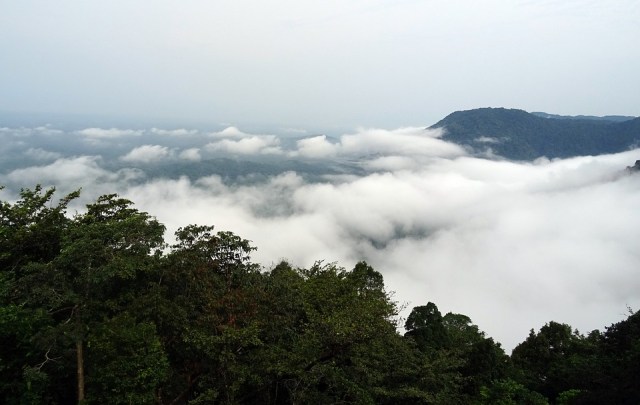
The park lies to the north eastern peripheral limits of Goa and again the Karnataka state border stands close by. In monsoon, the park is open to tourists as it is in drier seasons but with a difference.
The plant life spreads its green labyrinth with a fresh shot of vital spark injected. We had spent a night in the cottages and explored the verdurous jungle during the day. A general silence can be felt entering the deep interior which is contagious.
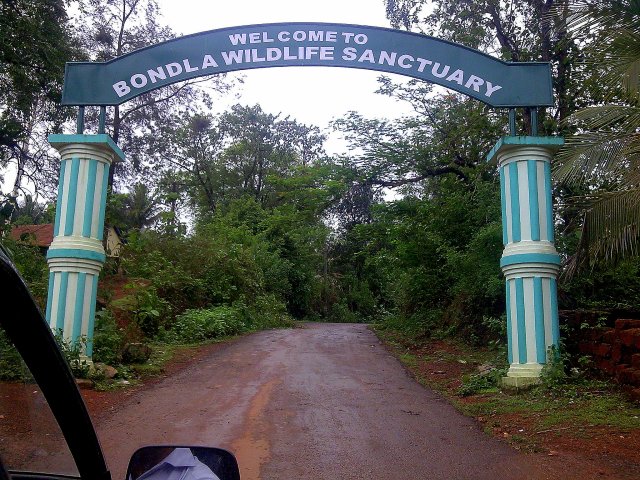
It will leave the tourists mute and tense! Covered with thick and tall deciduous rain forests the park provides shelter to tigers, leopards, Gaurs, Indian rock pythons, king cobras and a variety of birds including the great Indian hornbill.
Tigers in Goa it sounds like a fancied fairy-tale! The beach destination was supposed to feature the eternal blue with surfing, swimming and a lot of booze to go with. Jungle safaris are a prime attraction in Mollem.
We hoped to see thrilling wild life but had to console ourselves with the sight of a few peacocks and a herd of sambhars. Nevertheless, the trip into the forest had tense moments. The food at the cottages is reasonably good. I recall having a mixed bag of Goan cuisine during the day and chicken sizzlers at night.
Baga beach:
Black clouds drifting aimlessly over a fine stretch of sandy carpet and streaks of lightning blinking across a dark grey sky describes what Baga would look like during monsoon. The foreigners are mostly gone may be a handful still left behind who could not yet shake off the charm Goa had cast upon them.
The beachfront shacks have all been dismantled and the crowd had thinned away much to your relief when you are left alone facing the roaring sea. Before entering the beach stands a concrete tunnel making Baga look a little different from other beaches.
Not far from the sea is a jungle guitar workshop. You can craft your instrument from raw wood, fashion it to your sweetest desires and play the strings to the patter of a melodious downpour. For a side kick, get a bottle of cashew feni to keep you high and happy.
It is simply wild and exhilarating lifting your mood to a rising crescendo of delirium. Make sure the guitar workshop is not closed down for the monsoon. If your anticipation turns real you can always get yourself drenched to the skin by heavy torrents standing all alone right on the beach. It is wild and ecstatic as well!
- Goan Forts:
The stone bastions of Goa built by the Portuguese settlers are mind boggling. The monsoon rains give them an enigmatic look. They are a direct lift from movies featuring creepy castles with hair raising legends and damnable tales to tremble by.
Take a proper focus through your lens at the Aguada fort in monsoon. The clouded sky in the background lit by streaks of lightning makes it a smash hit for awesome photo opportunities. The rumble in the sky adds to the atmosphere.
There are other citadels too. You can scale the Chapora Fort and take a breathtaking view of the Vagator beach. The distant vista is a surreal mix of clouds sailing across a dark grey sky turning the swelling waters of the sea darker. The horizon is fuzzy making it hard to figure out exactly where the sky had melted into the violent waters. Fort Reis Magos is equally delectable for that matter. Watch out for your steps! Rains support the growth of moss making steps slippery and wet.
- Palolem:
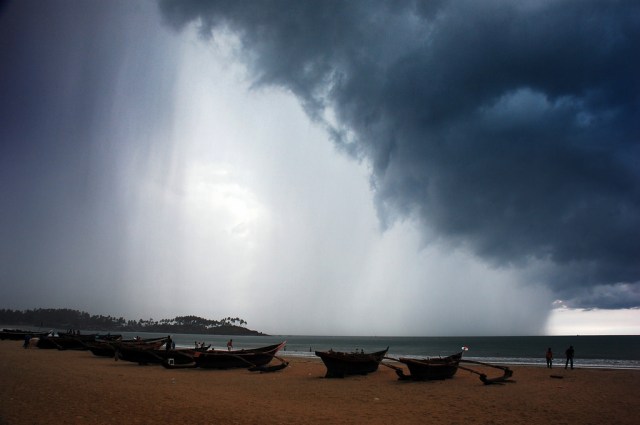
Palolem beach in monsoon is quite attractive. Though it is among the lesser known beaches of Goa, it has a unique charisma. Located in south Goa, it is about 10 kilometers away from Karnataka state border. Locals call it Cancun hardly aware that real Cancun is way different in location and culture. The beach is ideally suited for a long stroll in monsoon drizzle.
If you are adventurous, you may even go for a swim but stay close to the shore as the waters are turbulent. How about trying a plate of fried Surmai or calamari rings with the drink of your choice? The rains would start a melody in the outside as the food and beverage take you to heights of gastronomic rapture. I have tried it often it is awesome.
Mahabalipuram – Sonata of the shores
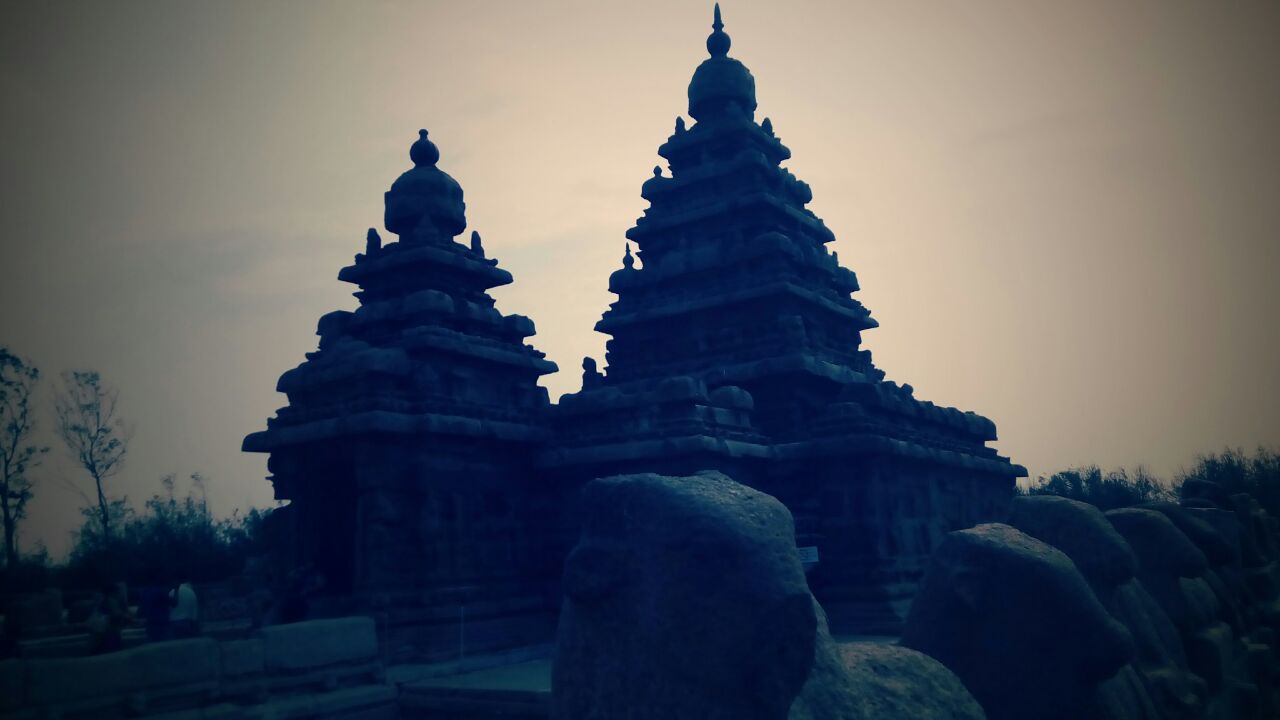
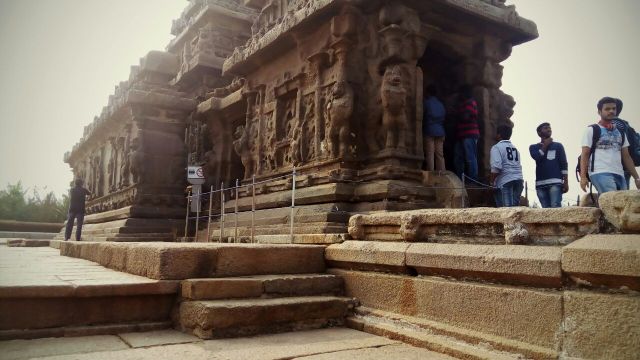
I was staring at an artwork hung from polished timber walls of the Bureau of Tourism Department. It was a fresco of a temple done in oil on wood. The canvas looked arresting. The sacred structure stood in all grandeur against an azure sky and green sea offered a fitting background. The entire scene was captivating, temple sculptures intricately set and the artist had finished his work with masterstrokes that evoked pure magic.
Tablets of memory frisked through the pages of Indian history. The cluster of temples looked familiar. Which Indian temple could this be? I pressed hard on the fringes of memory. The name, at last, came up in a hazy flashback. The shore temples of Mahabalipuram on the tassel of the 17th-century port city of the Pallavas, a dynasty that once ruled the Deccan.
Exploring the wild in Sunderbans
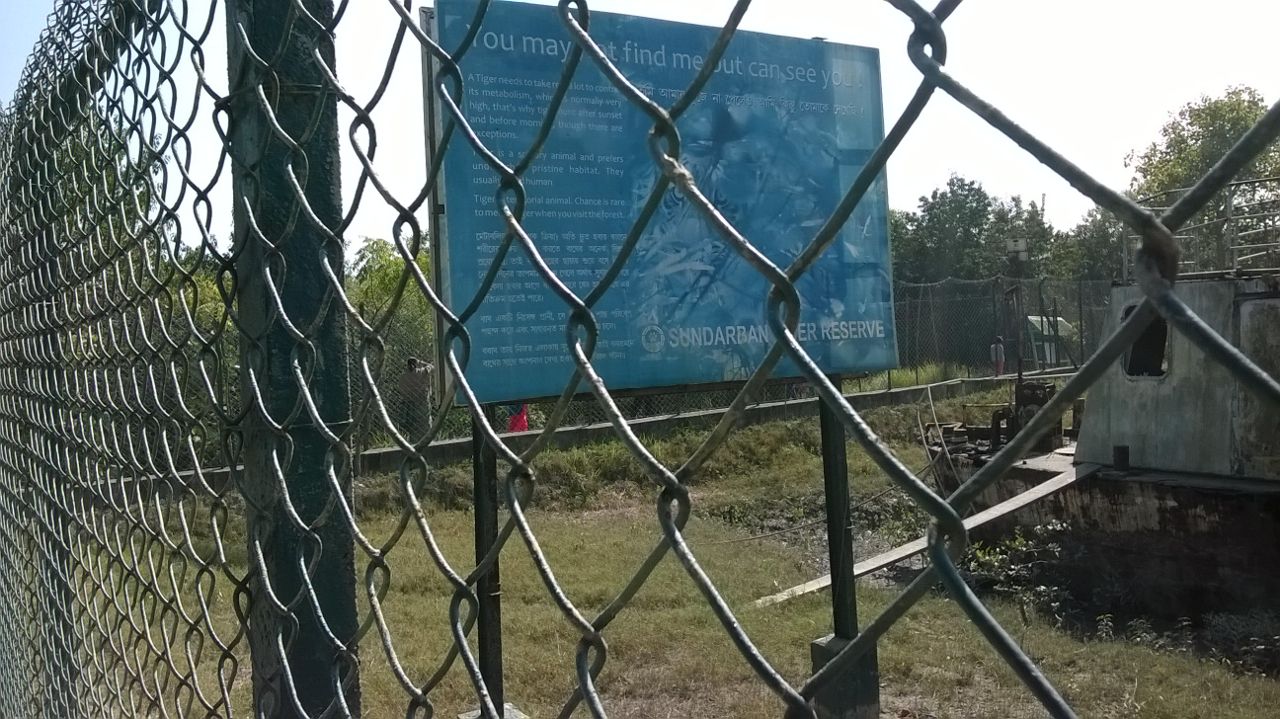
World’s largest mangrove swamp fostering eco-tourism
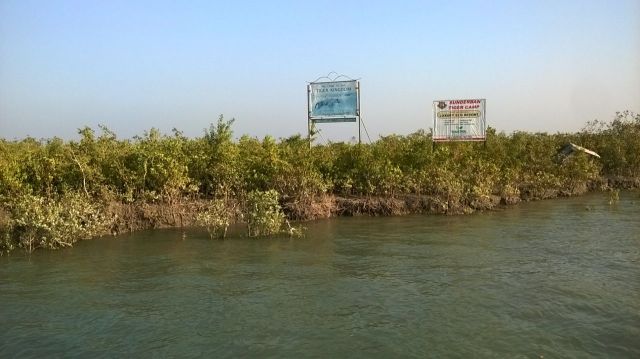
The early January morning threw a chilled blanket around us and the cab sped past towering skyscrapers along a maze of flyovers. We drove towards Kolkata Science City. The destination was the Sunderbans, a spread of mangrove jungle crisscrossed by a network of rivers and estuaries. Bidya, Sibsha, Matla , Koyra, Horinbhanga, there are several of them connected to nameless creeks and canals running deeper into wilderness. The names have a different kind of flavor, appealing and romantic yet menacing and deceptive.
Nightlife in Goa
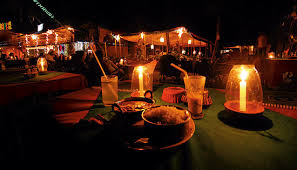
Goa and nightlife are inseparable and without a grain of doubt the state offers the most pulsating nightlife choices in the country. In fact, the state is inclined towards a western mode of life, thanks to the Portuguese colonization of Goa and long settlement of a substantial size of Portuguese population.
As the sun goes low on the horizon and the fiery red ball of fire takes a dip in the Arabian Sea, Goa wakes up with blinking neon, bewitching music, a mix of continental cuisine, lip-smacking sea food and local delicacies.
The ambiance is laced with a loud psychedelic overtone that will enchant you with razzle dazzle color and a distinct flavor that is mostly international in character. Japanese, Uruguayans, Israelis, Americans, Europeans and the local crowd mingle in an explosion of fun and frolic livening up the nights in a wild euphoria of extreme delight.
Goa nights are exciting and they are a wonderful fusion of a mixed bag of cultural diversity. The ambiance is so viral you will find yourself doing something under a starlit Goan sky. Night exhilaration range from socialization with people from different continents, gambling at a Casino, taking part at a night beach side barbecue or simply boozing at a beachfront shack gazing at the eternal blue.
Night life in Goa can be associated with the following mind blowing experiences that attract tourists over and over again to savour this tiny state’s heart throbbing incitements.
Beach Shacks:
In Goa, Beach shacks are ubiquitous. They dot in plenty along the exotic beaches in high season. During the span of Oct to March tourists come pouring in and Beach shacks are almost booked out to capacity. They satisfy everyone whether you are a group of friends, couples, honeymooners, family members or even if you are all alone. Although they offer small scale accommodation there is no dearth of music , romantic lights , cocktail and a choice of excellent food.
Night clubs and Discotheques:
These cater to party animals and general tourists as well. Club Tito is the most famous and oldest of them all overlooking the mesmerizing Baga beach it is one of the most sensational spot for socialization at night. A wonderful blend of wine, dance and music keep the nights throbbing with life. Choicest of cuisines leave you pampered.
Bars and Pubs:
Goa is famous for bars and pubs. They are scattered everywhere built in style and decor. You can almost drink till late night with exotic seafood of your choice. Local calamari and king fish preparation adds to the zing making nightlife exciting at a Goan bar.
Saturday night flea market for shopping addicts:
Every Saturday Arpora night flea market remains open from 6 pm till midnight. A wide range of exotic merchandises are on sale covering clothing, shoes , herbs, carpets , home decors and lot more. You simply name it and they have it for you.
Party cruises:
You cannot imagine Goa without a spectacular night cruise on boat. You have opportunity to dance to the tune of electrifying music and go wild while your cruise cuts across the night water. There are sea and river cruises and they are all big time fun.
 simplyroam